The Influence of Art on Mental Health: How Artistic Expression Can Transform Lives in Nigeria
The Multifaceted Role of Art in Enhancing Well-Being
Art is more than just a visual experience; it serves as a crucial tool for mental well-being. In Nigeria, where social and economic challenges can weigh heavily on individuals, artistic expression emerges as a beacon of hope. The therapeutic value of engaging with art has become increasingly recognized, sparking a growing interest in its potential to foster emotional healing, strengthen community bonds, and promote self-identity among people grappling with various challenges.
Promoting Emotional Healing
Art facilitates the release of emotions, allowing individuals to communicate feelings that might be difficult to express in words. For instance, painters and sculptors often pour their inner turmoil into their creations, transforming pain and confusion into tangible forms of beauty. In cities like Lagos and Abuja, art therapists work with at-risk youth, encouraging them to use creative mediums to explore their emotions. A young artist’s painting of his family’s struggles during economic hardship can serve as a powerful dialogue starter, fostering understanding and empathy among peers.
Fostering Community Engagement
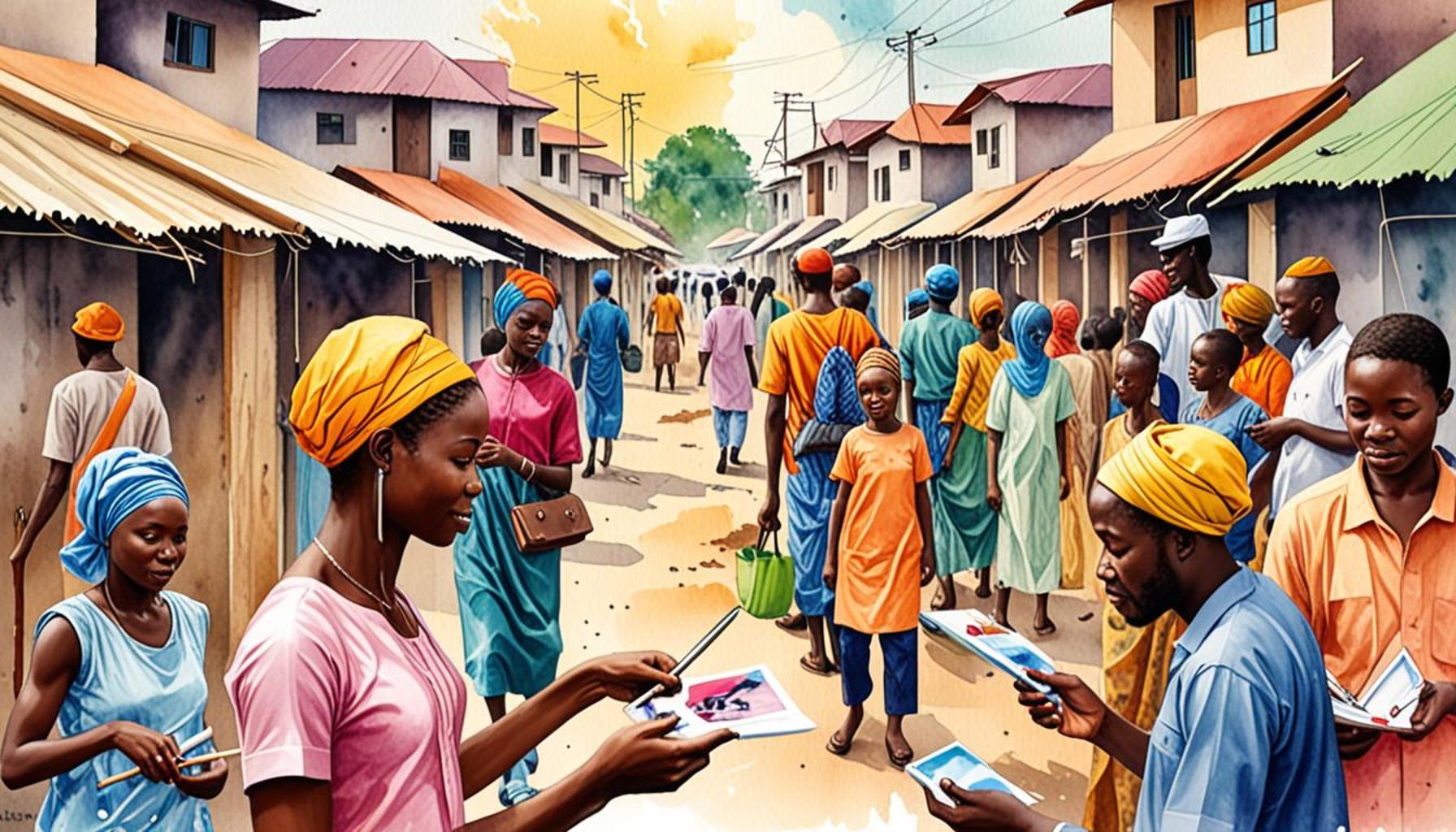
Creative collaborations bring people together, forging bonds that enhance support systems. Community arts programs, such as theater groups or local art festivals, create platforms where people can share experiences and collaborate on projects. The yearly Lagos Carnival, which showcases the vibrancy of Nigerian culture through music, dance, and visual arts, exemplifies how creativity can unite individuals from diverse backgrounds, enriching the community’s social fabric. By participating in these events, individuals not only express themselves but also connect with one another, building networks of support that are crucial in times of crisis.
Enhancing Self-Identity
Art provides individuals with a means to explore and articulate their personal narratives, which is especially vital in a diverse country like Nigeria. The multiplicity of cultures, languages, and traditions offers a rich tapestry for artists to draw from. For example, filmmakers like Kunle Afolayan create works that reflect both the struggles and triumphs of contemporary Nigerian life. By portraying relatable stories on screen, they allow viewers to see their realities mirrored, thus affirming their experiences and identities.
The significance of art on mental health is profound and transformative, with countless stories of individuals finding solace through creative endeavors. As mental health awareness grows in Nigeria, there is a remarkable shift towards embracing art as a means of therapy and expression.
In examining this relationship further, we uncover effective initiatives, personal testimonies, and the innovative ways in which Nigerian artists are paving the way for a brighter, healthier future. From grassroots movements advocating for mental health support through the arts to high-profile exhibitions that spotlight local talent, the intersection of creativity and well-being is rich with potential and promise. As more individuals and communities recognize the benefits of artistic engagement, they pave the way for a more inclusive dialogue surrounding mental health and wellness across the nation.
SEE ALSO: Click here to read another article
Art as a Catalyst for Positive Change
The intersection of art and mental health is a growing discourse in Nigeria, drawing attention to the healing powers that creativity can wield in the midst of societal struggles. From the bustling streets of Lagos to the serene settings of rural communities, *artistic expression* is being harnessed as a vital means of addressing mental health challenges. Various studies indicate that engaging in artistic activities can significantly reduce symptoms of anxiety, depression, and other mental health disorders, making it crucial to explore how these benefits are being realized in a Nigerian context.
Accessible Art Initiatives for All
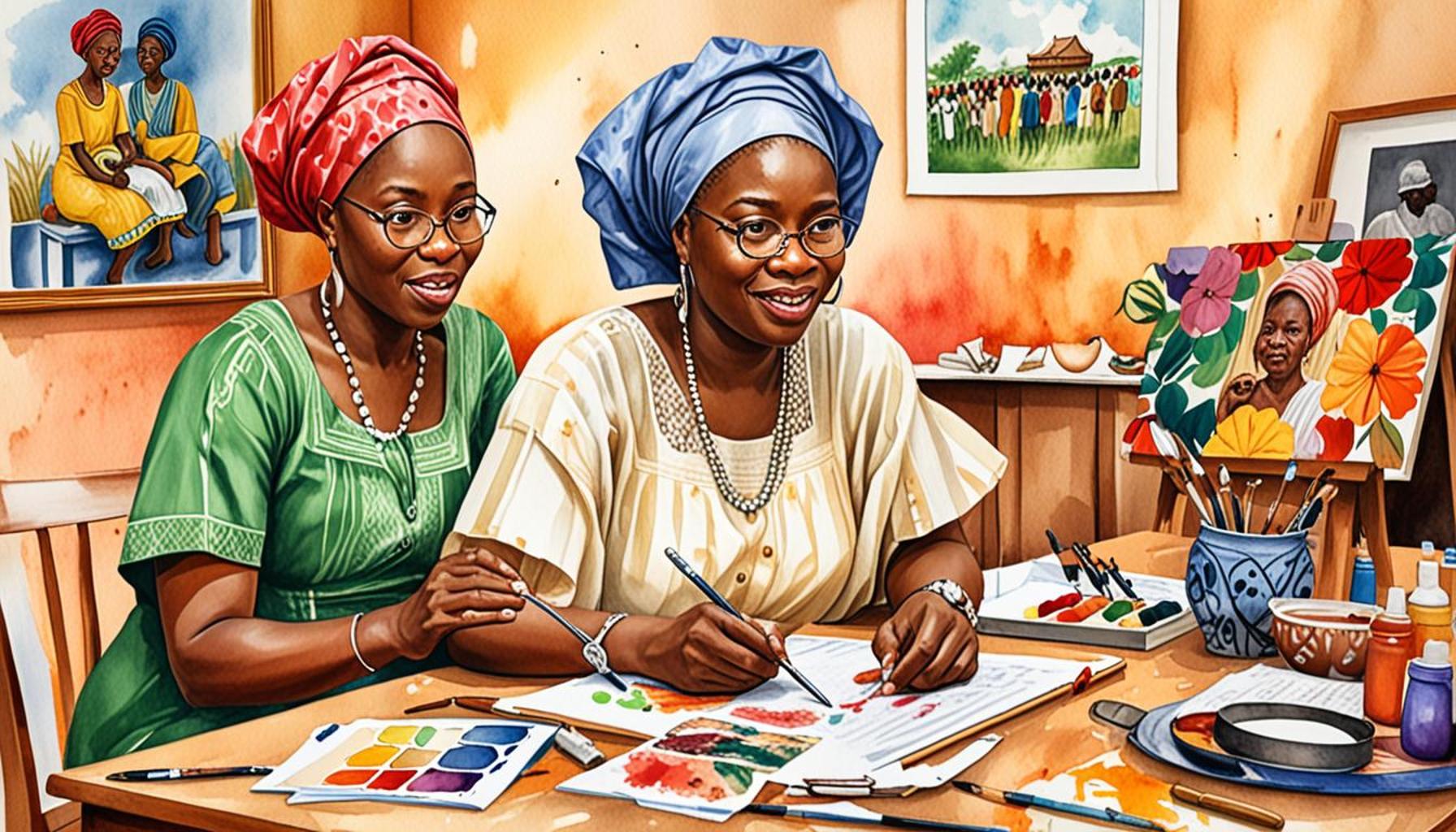
In recent years, numerous initiatives have emerged across Nigeria aimed at making art accessible to various demographics, particularly marginalized groups. For instance, community art workshops that focus on drawing, painting, and drama have been instrumental in providing safe havens for individuals to express their feelings and experiences. Many of these workshops are held in areas where access to mental health resources is limited, serving a dual purpose of educating and empowering participants.
Among such initiatives, organizations like Art for Life aim to equip individuals with artistic skills while facilitating conversations about mental health. These workshops help participants tackle personal challenges through creative outlets, leading to transformative experiences that promote social cohesion. The impact of these initiatives can be seen through:
- Increased Awareness: Through local exhibitions and performances, participants not only showcase their work but also raise awareness about mental health issues.
- Community Support: As participants come together to create art, they establish supportive networks fostering trust and understanding.
- Skill Development: Many attendees gain skills that can lead to career opportunities in the arts, promoting both personal growth and economic empowerment.
The Stories Behind the Canvas
In Nigeria, art is often a reflection of personal and collective experiences, with many artists using their talents to tell stories that resonate deeply with the community. Whether it’s through traditional media like *Aso Oke* weaving or contemporary practices like digital art, the narratives that emerge serve a purpose far greater than aesthetic appeal. For example, the works of artists such as David O. Oladipo have drawn attention to issues of mental health within Nigerian society, shedding light on the struggles faced by many and encouraging dialogues that challenge stigmas.
Moreover, oral storytelling, a longstanding tradition in many Nigerian cultures, is increasingly being integrated with modern art forms. This fusion not only preserves cultural heritage but also gives voice to personal narratives surrounding mental health, thereby affirming the lived experiences of many. As more artists embrace this responsibility, they ignite a movement that not only redefines art but also repositions mental health awareness at the forefront of discussions.
The profound influence of art on mental health is becoming more recognized, with a variety of transformative stories emerging from diverse communities. As Nigeria witnesses a gradual shift towards embracing creative expression, it is clear that the path towards enhancing mental well-being through art is both promising and essential.
Artistic expression plays a crucial role in shaping mental health outcomes, especially in a culturally rich and diverse country like Nigeria. Through various forms of art—such as painting, music, theater, and dance—individuals can channel their emotions, address personal struggles, and forge connections with others. This exploration can become a therapeutic process, helping to alleviate feelings of isolation and despair often associated with mental health issues.For instance, community art programs across Nigeria have started recognizing the importance of art therapy. These initiatives empower individuals to express their stories and experiences, fostering a sense of belonging and understanding. Participating in artistic endeavors can enhance self-esteem and resilience, allowing individuals to reclaim their narratives amid adversity.Moreover, the integration of traditional artistic practices with modern techniques can amplify mental well-being. Workshops led by local artists often focus not just on skill-building, but also on creating safe spaces for dialogue around mental health. This approach breaks down the stigma surrounding mental health challenges, encouraging open conversations and shared healing within communities.The spiritual connection with art in Nigerian culture further supports its effectiveness. As many forms of Nigerian art are deeply rooted in heritage and identity, the act of creating art can become a source of comfort and empowerment. As people engage in artistic practices, they may find a pathway to explore their feelings, fostering emotional release and fostering a greater understanding of their mental health.In addition to individual benefits, community-wide participation in the arts can lead to collective healing. Group exhibits, performances, and festivals not only celebrate local talent but also allow communities to come together, reinforcing bonds and shared experiences. These events serve as reminders of resilience and the transformative power of creativity.As Nigeria continues to face challenges related to mental health, the influence of art serves as a beacon of hope. By embracing artistic expression, individuals and communities can harness the transformative power of creativity, paving the way for improved mental health outcomes and increased awareness. The journey to wellness, facilitated by the arts, invites everyone to acknowledge and celebrate the vital link between creativity and mental well-being. Exploring these avenues not only enriches individual lives, but also strengthens the social fabric, highlighting the profound impact art can have on community mental health. As Nigeria invests in artistic initiatives, it lays the groundwork for a brighter future where mental health is prioritized and celebrated through the vibrant lens of artistic expression.
YOU MAY ALSO LIKE: Read read another article
Building Resilience Through Artistic Expression
Art serves as a powerful tool for building resilience among individuals facing mental health challenges. In Nigeria, where societal pressures often exacerbate stress and anxiety, artistic outlets provide a much-needed respite. By engaging in creative activities, people can process their emotions and experiences, transforming pain into something tangible and beautiful. Resilience cultivated through art not only empowers individuals but also inspires others in the community.
The Role of Arts Education in Mental Wellness
Integrating arts education in schools can serve as a proactive approach to mental health. Within the Nigerian educational system, initiatives that promote creative arts can significantly impact students’ emotional well-being. Programs that incorporate visual arts, music, dance, and theater not only enhance cognitive skills but also provide students with essential coping mechanisms to deal with stress. Schools like the Nigerian College of Art, Design and Technology are at the forefront, integrating mental health education with creative curricula to create supportive environments for students.
While many Nigerian schools still prioritize traditional academic disciplines, the introduction of arts education can facilitate:
- Emotional Expression: Students learn to articulate their feelings through creative mediums, reducing instances of bottled-up emotions that lead to mental health issues.
- Collaboration and Teamwork: Participation in group projects fosters social skills, allowing students to develop meaningful connections with their peers while working through shared challenges.
- Self-Discovery: Engaging in the arts can help students recognize their talents and interests, leading to increased self-esteem and personal identity.
Community Engagement and Collaborative Projects
Community-driven art projects have emerged across Nigeria, offering avenues for collective healing while illuminating the connection between mental health and the arts. Programs like Art and Advocacy partner with local artists to facilitate mural painting, sculpture installations, and collaborative performances, all aimed at addressing mental health themes relevant to specific communities. These projects not only beautify public spaces but also serve as visual reminders of the importance of mental wellness.
The success of these initiatives can be attributed to elements such as:
- Empowerment of Local Voices: By engaging local artists in mental health conversations, the projects amplify community voices, encouraging openness about issues that often go unaddressed.
- Cultural Relevance: Utilizing art forms specific to the community allows for a connection that resonates emotionally and culturally, fostering deeper understanding and relatability.
- Long-lasting Impact: Murals and sculptures in public spaces serve as continual conversation starters, keeping mental health awareness alive and relevant in the community.
Challenges and the Way Forward
While the influence of art on mental health is increasingly recognized, challenges remain in terms of funding, awareness, and acceptance. Many initiatives rely on sporadic grants and donations, making sustainability difficult. Furthermore, art as a viable therapeutic resource is sometimes met with skepticism in a society where traditional beliefs dominate mental health discourse.
Moving forward, a multi-faceted approach involving the government, NGOs, and community leaders is essential. Recognizing the efficacy of art in mental health can pave the way for enhanced funding and support, ensuring that these transformative programs continue to flourish. As more Nigerians begin to understand the invaluable role of artistic expression in mental health, the potential for societal change becomes more palpable, setting the stage for a culturally enriched future where mental wellness is a collective priority.
CHECK OUT: Click here to explore more
Conclusion: The Cultural Canvas of Healing
As Nigeria navigates the complex landscape of mental health, artistic expression emerges as a crucial ally in promoting emotional well-being. The profound influence of art on mental health cannot be overstated; it serves not only as a medium for personal liberation but also as a catalyst for community healing. Through resilience-building activities and structured arts education, individuals learn to transform their emotional struggles into creative masterpieces, fostering a culture that values mental wellness.
The ripples of community engagement and collaborative art projects highlight the potential of art as a unifying force, breaking down barriers and sparking important conversations about mental health issues. By valuing local voices and integrating culturally relevant forms of expression, these initiatives help to dismantle the stigma that often surrounds mental health in Nigeria. The murals and performances created through these collaborations serve as lasting reminders of the power of creativity in healing, making mental health a visible and relevant topic within communities.
However, ongoing challenges related to funding and societal perceptions must be addressed to ensure that the transformative power of art is fully recognized and utilized. A concerted effort among government entities, non-governmental organizations, and community leaders is essential for embedding art into the broader narrative of mental health. With a strategic commitment toward this integration, the path toward a mentally healthier Nigeria becomes clearer.
Ultimately, as more people embrace the healing capabilities of artistic expression, we can anticipate a future where mental health is prioritized and celebrated, fostering both individual resilience and collective understanding within the rich tapestry of Nigeria’s cultural heritage.