
The Influence of Nutrition on the Health of Pets in Nigeria
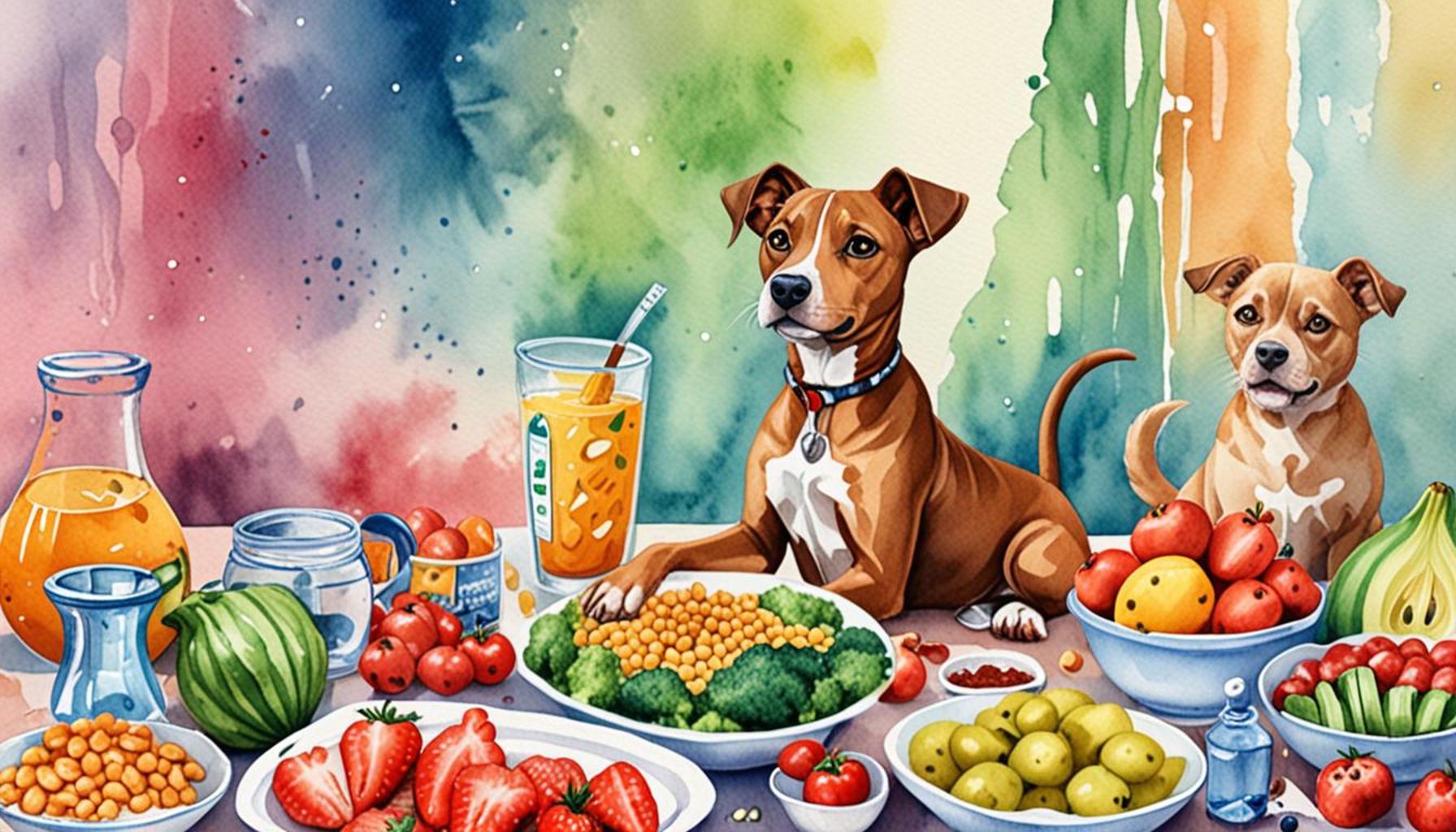
The Importance of Balanced Diets for Pets
Nutrition plays a crucial role in the overall health of pets, particularly in Nigeria where the awareness of proper pet care is on the rise. Many pet owners may not realize that the right diet can significantly influence their furry companions’ wellbeing. Understanding the components of pet nutrition is essential for maintaining their health and happiness.
Type of Food
Different pets have varying nutritional needs based on their breed, age, and health conditions. For example, large breeds like Great Danes may require diets that promote joint health, while younger dogs might need higher protein content to support growth. Similarly, older pets may benefit from diets formulated to manage age-related issues such as renal health. Therefore, customizing the diet to suit specific needs can lead to significant improvements in health and vitality.
Locally Sourced Ingredients
Utilizing common ingredients such as yam, chicken, fish, and vegetables can substantially enhance pet diets. In many Nigerian households, food scraps and leftovers can be repurposed as nutritious meals for pets. For instance, cooked chicken combined with yams and a vegetable medley can provide a balanced diet rich in protein and carbohydrates. However, it’s important to ensure that the meals are prepared without harmful seasonings such as salt, which can pose health risks.
Commercial vs. Homemade
There are benefits and challenges associated with commercial and homemade diets. Commercial pet foods are convenient and often formulated to meet specific nutritional standards. However, they can be more expensive and may contain preservatives or fillers that do not contribute to a pet’s health. On the other hand, homemade diets allow for greater control over ingredient selection and preparation methods, but they require time, effort, and a solid understanding of nutritional balance to ensure pets receive all necessary nutrients.
The Link Between Nutrition and Disease
The link between nutrition and disease is profound. Poor dietary choices can lead to various health issues, including obesity, diabetes, and dental problems. Studies indicate that pets with diets low in essential vitamins and minerals often display lower immunity and energy levels. For instance, a lack of adequate calcium can lead to weak bones in growing puppies, while insufficient omega-3 fatty acids can result in skin and coat issues in dogs and cats alike.
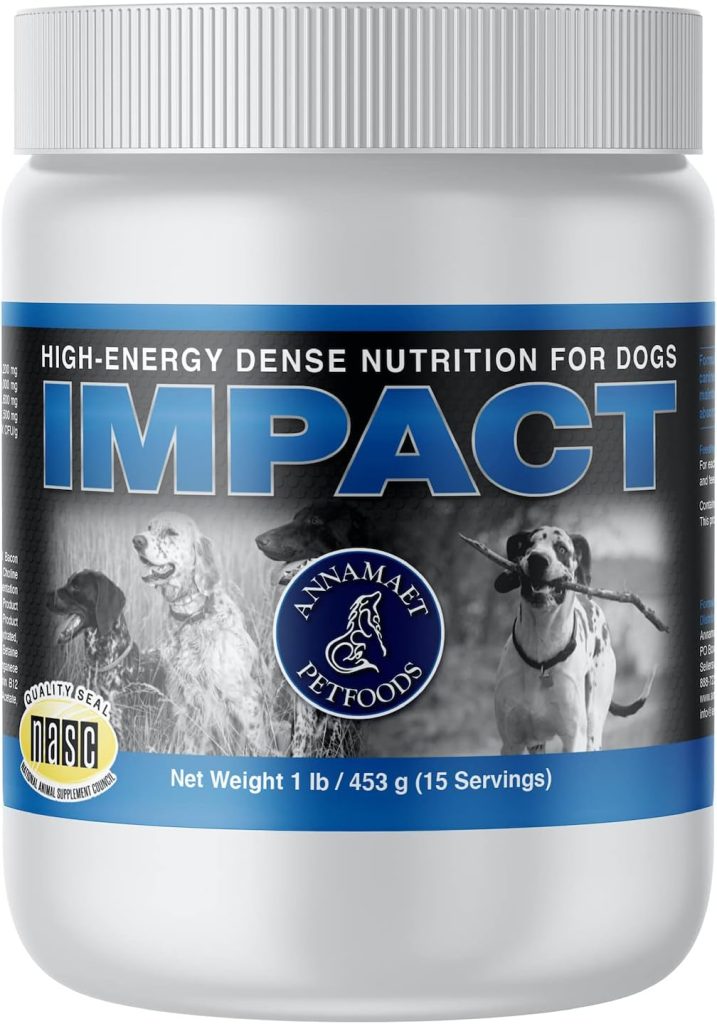
As Nigeria continues to develop its understanding of pet care, educating pet owners on proper nutrition will pave the way for healthier pets. Resources such as local veterinary clinics and pet nutritionists can provide invaluable guidance on formulating the best diet for pets. This education can empower pet owners to make informed choices for the dietary needs of their companions.
In conclusion, tailored dietary choices can drastically improve the quality of life for pets across the nation. By prioritizing nutrition, pet owners in Nigeria can ensure their furry friends lead long, healthy lives with abundant energy and joy.
The Role of Nutrition in Preventing Common Health Issues
In Nigeria, as pet ownership continues to rise, the role of nutrition in preventing common health issues has become increasingly critical. Many pet owners may overlook the importance of a balanced diet, not realizing that inadequately-fed pets can be more susceptible to a range of ailments. With the right nutritional choices, pet owners can bolster their pets’ defenses against diseases, enhancing their overall quality of life.
Common Nutritional Deficiencies
Across Nigerian households, certain nutritional deficiencies are prevalent among pets. These deficiencies can lead to serious health issues, including:
- Obesity: One of the most significant concerns, particularly in urban areas where pets may lead a sedentary lifestyle.
- Skin and coat problems: A lack of essential fatty acids can manifest in dry skin and poor coat quality, making pets more prone to allergies and infections.
- Joint issues: Insufficient calcium and phosphorus can result in weak bones, especially in growing puppies and kittens.
- Gastrointestinal problems: Inappropriate diets can cause digestive issues such as diarrhea and vomiting, leading to long-term discomfort.
The Importance of Micronutrients
Many pet owners may not fully understand the role of micronutrients in pet health. Vitamins and minerals are not just supplements; they are fundamental to promoting good health, strong immunity, and optimal growth. Essential micronutrients such as:
- Vitamin A: Vital for maintaining healthy vision and skin.
- Vitamin E: An antioxidant that supports immune function.
- Zinc: Critical for skin health and energy metabolism.
These micronutrients can often be integrated into a pet’s diet through a combination of well-rounded commercial pet food and nutritious homemade dishes. By paying attention to these elements, pet owners can significantly enhance their pets’ resilience against various health concerns.
Consulting with Professionals
With the complexity of nutritional needs, consulting with veterinary professionals is imperative. Veterinarians and licensed pet nutritionists can provide tailored advice, ensuring that a pet’s dietary regimen is both balanced and appropriate for its unique needs. Local vet clinics across Nigeria, especially in cities like Lagos and Abuja, are becoming hubs for pet health education, offering workshops that focus on nutrition and overall wellness.
As Nigeria embraces a more modern approach to pet care, recognizing the significance of proper nutrition can create a pivotal shift in the health of pets nationwide. By equipping themselves with knowledge and resources, pet owners can take proactive steps towards enhancing the longevity and well-being of their beloved companions.
| Nutrition Aspect | Impact on Pet Health |
|---|---|
| Quality of Ingredients | Ensures the pet receives essential nutrients (vitamins, minerals) vital for overall health. |
| Balanced Diet | Promotes healthy weight management, reducing risks of obesity-related diseases. |
| Special Dietary Needs | Addresses health concerns such as allergies or digestive problems, leading to better quality of life. |
| Hydration | Prevents kidney issues and promotes overall organ function, essential in the heat of Nigeria. |
The role of nutrition in the health of pets in Nigeria is not just important but crucial. For instance, the quality of ingredients in pet food directly influences their vitality, enabling a stronger immune system and longevity. Observing a balanced diet helps mitigate obesity, which is becoming increasingly observed among pets in urban areas. Moreover, many pets have special dietary needs, requiring specific nutrients to combat common health issues, including allergies or sensitive gastrointestinal systems. Hydration is another aspect that pet owners should not overlook, especially given Nigeria’s climate. Ensuring pets have continuous access to fresh water is vital for preventing serious health complications, enhancing their overall wellness, and keeping them active. The right nutrition can lead to happier, healthier pets, making pet ownership not just a responsibility but a rewarding experience that deserves further exploration.
Factors Influencing Pet Nutrition in Nigeria
Understanding the impact of nutrition on the health of pets in Nigeria requires a closer look at the various factors influencing pet dietary habits. Several variables—from cultural beliefs to availability of quality feed—play a pivotal role in determining the dietary provisions for our furry companions.
Cultural Influences on Pet Feeding Practices
Cultural attitudes towards pets can significantly affect their nutrition. In Nigeria, pets are often viewed not just as companions but also as status symbols. This perception sometimes leads pet owners to prioritize aesthetics over health, favoring over-processed commercial foods that may lack essential nutrients. Furthermore, traditional beliefs can dictate feeding habits; for instance, some owners might believe that certain foods, such as rice or leftovers, are sufficient for their pets, without considering the nutritional deficits these options present.
This cultural nuance can lead to a reliance on popular myths about pet diets, perpetuating the idea that dogs can thrive primarily on starchy foods or table scraps. However, education is beginning to shift these beliefs, emphasizing the importance of providing balanced meals rich in protein and essential fatty acids.
The Role of Local Farmers and Pet Food Manufacturers
The availability and quality of pet food across Nigeria are largely influenced by local farmers and manufacturers. Only a limited selection of premium brands might be accessible in rural areas, compelling many pet owners to resort to homemade diets or substandard commercial options. Initiatives by local businesses aiming to produce quality pet food are critical. Encouraging investments in the local pet food industry can help bridge the gap in nutrient-rich options available to pet owners.
- Local sourcing of ingredients: Supporting local agriculture can not only help pets eat healthier but also stimulate the economy.
- Affordable options: Developing budget-friendly yet nutritious pet food can make a significant difference in the dietary habits of low-income families.
Education and Awareness Campaigns
Increasing awareness about the significance of pet nutrition is vital for enhancing pet health in Nigeria. NGOs, veterinary schools, and local authorities can collaborate to launch awareness campaigns. These initiatives could include:
- Workshops: Organizing sessions where pet owners can learn about balanced diets, nutritional needs specific to age and breed, and how to identify quality ingredients.
- Nutrition workshops: Training for pet food manufacturers to produce nutritionally dense products tailored to local pets’ needs.
- Social media campaigns: Utilizing platforms to educate the public about pet diets can engage a wider audience and promote better grooming and feeding habits.
Most importantly, positive engagement with local communities can foster a broader understanding of proper pet nutrition, creating a culture of care that emphasizes health over superficiality.
Case Studies of Improved Pet Nutrition
In certain regions of Nigeria, there have already been successful case studies that spotlight the benefits of improved pet nutrition. For example, community-led programs that teach proper feeding techniques and provide access to high-quality food have shown a marked decrease in common health issues such as skin allergies and obesity. These programs have not only improved pet health but have also fostered a deeper bond between owners and their pets, highlighting the enriching experience of caring for an animal equipped with the right nutrition.
As pet owners in Nigeria continue to evolve their understanding of nutrition’s vital role in their pets’ health, collaborative efforts across communities can make a profound difference in pet welfare, ensuring that our beloved companions not only thrive but lead healthier, more fulfilling lives.
Conclusion: Improving Pet Health Through Better Nutrition
The intricate relationship between nutrition and the health of pets in Nigeria is increasingly recognized as a critical area for improvement. As this article outlines, various factors, such as cultural attitudes, access to quality food, and the availability of educational resources, shape the dietary choices made by pet owners. The transition from misconceptions about feeding practices to understanding the importance of balanced diets is crucial for the well-being of our furry companions.
By advocating for local sourcing of ingredients and supporting the development of affordable, nutritious pet food options, we can not only enhance the health of pets but also bolster the local economy. Furthermore, collaborative educational campaigns are essential in fostering a culture that prioritizes responsible pet ownership and informed dietary choices. Such initiatives can empower pet owners with knowledge about the specific nutritional needs of their animals, ultimately leading to a healthier pet population.
As highlighted by successful case studies and community initiatives, when pet owners embrace the principles of proper nutrition, the benefits are profound and can drastically reduce common health issues in pets. Addressing the nutritional needs of pets can deepen the bond between owners and their animals, contributing to happier, healthier lives for both.
To truly enhance pet welfare in Nigeria, a collective effort involving local communities, pet owners, and producers is essential. As awareness grows and positive changes are implemented, we can ensure that our pets not only survive but thrive, enriching our lives and theirs in the process. This journey towards improved pet nutrition in Nigeria is not just about feeding; it is about fostering a sustainable future for beloved companions.