The Influence of the Environment on Pet Behavior
Understanding the Impact of Surroundings on Pet Behavior
The environments in which our pets exist play a pivotal role in forming their behaviors and personality traits. This relationship is particularly pronounced in vibrant areas like Nigeria, where varied social, cultural, and geographical aspects can greatly influence how pets react to their surroundings. By delving into these factors, pet owners can create more enriching environments for their beloved animals.
Social Interactions
Social interactions have a profound impact on pet behavior. In families where multiple pets are present, animals often learn to socialize, share spaces, and even establish hierarchies. For example, a playful dog in a household with several children may become more energetic and interactive, adapting to the lively dynamics of its pen. Conversely, a pet that feels isolated or neglected can develop anxiety or behavioral issues. In Nigeria, where communal living is common, pets may experience varying levels of engagement with family members and neighbors, further influencing their temperaments and social abilities.
Physical Space
The physical space available to pets is another critical factor. Larger areas can encourage physical activity and exploratory behavior, while smaller, confined spaces can lead to boredom and frustration. For instance, dogs in urban settings like Lagos may adapt to apartment living but might miss out on the invigorating activities available in open spaces such as parks. This difference is stark when considering pets in rural settings, where they might roam freely, engaging with their environment more liberally, leading to different behaviors and energy levels.
Noise Levels
Noise levels also play a significant role in shaping pet behavior. High levels of sound, common in bustling cities, can lead to heightened stress and anxiety in pets. Breeds known for their sensitivity, such as Chihuahuas or Greyhounds, may react negatively to loud honking, music, or crowds. In contrast, pets in quieter villages might display calmer behaviors, reflecting their serene surroundings. Addressing sound concerns, such as using soundproofed interiors or creating quiet spaces, can help mitigate stressors for pets in noisy areas.
Weather Conditions
The weather conditions in Nigeria can also dictate how much outdoor time pets have, influencing their mood and behaviors. Hot and humid weather might restrict outdoor playtime, leading to pent-up energy and irritability in pets. For instance, a dog that usually enjoys daily walks may become lethargic during the peak sun hours, impacting its overall behavior. Adjusting playtimes to cooler parts of the day or providing indoor games can help maintain an active and healthy routine for pets during extreme weather.
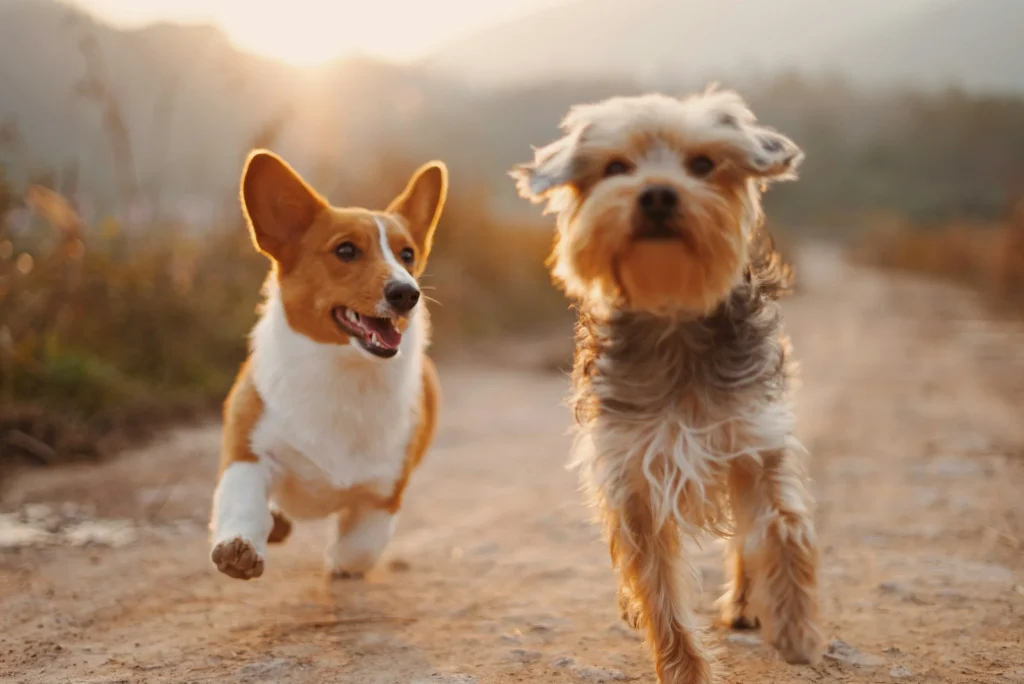
As we explore these environmental factors, we uncover the nuanced interplay between a pet’s surroundings and their behavior. Understanding how local customs, lifestyles, and even urban vs. rural settings impact pets can empower owners to enhance their pets’ quality of life. By observing and adjusting their pet’s environment, many owners can create a happier, more fulfilling experience for their animals. This not only improves the well-being of pets but also strengthens the bond between pets and their humans, leading to a harmonious coexistence.
Factors Shaping Pet Behavior in Diverse Environments
The intricate dynamics of pet behavior can often be traced back to the specific characteristics of their environment. From the bustling streets of Lagos to the serene landscapes of rural Nigeria, various external elements contribute significantly to how pets interact with the world around them. Understanding these influences can help pet owners foster healthier and happier lives for their animals.
Cultural Practices
Cultural practices play a substantial role in shaping how pets are viewed and treated in various regions. In Nigeria, traditional beliefs and lifestyles can dictate pet ownership attitudes. For instance, in some communities, dogs may be revered as loyal companions, while in others, they might be kept primarily for security purposes. This perspective can affect the behavior of pets; dogs raised in loving homes may exhibit friendliness and playfulness, while those confined to guard duties might display more aggression or aloofness. The varying cultural practices across Nigeria highlight the need for culturally sensitive approaches when caring for pets.
Human Interaction and Training
Human interaction and training are pivotal in influencing a pet’s behavior. An environment that promotes positive interactions fosters trust and cooperation between pets and their owners. In urban areas, busy lifestyles may limit the time owners can devote to training and socializing their pets, potentially leading to behavioral issues. Meanwhile, rural owners may create a more relaxed environment, allowing for regular training and social engagement. The ways in which pet owners communicate with and train their animals greatly impact their pets’ ability to adapt to their surroundings. Common training techniques utilized in Nigeria include:
- Positive reinforcement through treats and praises.
- Using local commands and phrases to enhance understanding.
- Socializing pets with friends, family, and other animals within the community.
Availability of Resources
The availability of resources also significantly influences pet behavior. Access to veterinary care, quality pet food, and interactive toys can determine how well a pet thrives in its environment. In urban environments, where veterinary clinics may be more accessible, pet owners can ensure their animals receive the care necessary to maintain good health. Conversely, in more remote areas, farmers or villagers may not prioritize or have easy access to proper nutrition and healthcare for their pets, leading to behavioral issues that stem from poor health or malnourishment.
Additionally, providing pets with stimulating resources, such as toys or safe spaces to explore, is crucial for promoting healthy behaviors. Pets deprived of sufficient mental and physical stimulation often resort to destructive behaviors out of boredom or frustration.
By examining these factors—the interplay of cultural practices, human interaction, and resource availability—pet owners can gain insight into how they might optimize their environments to nurture well-adjusted pets. This awareness not only advances pets’ well-being but also enhances the love and companionship shared between animals and their families.
| Category 1 | Category 2 |
|---|---|
| Environmental Enrichment | Enhances mental stimulation and reduces behavioral problems. |
| Socialization Opportunities | Promotes positive interactions with humans and other animals. |
| Spatial Awareness | Informs pets about their surroundings, boosting confidence. |
| Routine and Stability | Creates a sense of security, lessening anxiety in pets. |
Understanding the intricate relationship between pets and their environments is crucial in veterinary behavior and pet ownership. Environmental enrichment plays a vital role in shaping behaviors. By providing various stimuli, such as toys, puzzles, and new experiences, pets can enjoy a more fulfilling life. This proactive approach is essential for reducing anxiety and destructive behaviors, such as excessive barking or chewing.Another key aspect is the importance of socialization opportunities. Pets that engage with others typically develop better emotional responses and coping strategies. Exposing pets to diverse environments and species helps enhance their adaptability, fostering positive interactions and reducing fearfulness.Additionally, spatial awareness is fundamental for a pet’s confidence. Familiarization with their surroundings allows pets to navigate effectively, promoting independence. Lastly, establishing consistent routines and stability is critical for behavioral health. Dogs and cats thrive in environments where they feel safe and secure, leading to less stress and improved overall behavior. Exploring these facets can provide pet owners with deeper insights into enhancing their companions’ lives.
The Role of Environment in Shaping Pet Dynamics
The environment in which animals are reared significantly impacts their behaviors, emotions, and overall well-being. Factors such as urbanization, noise levels, and types of housing directly influence how pets react and adapt to their surroundings. By understanding these environmental influences, pet owners can create more harmonious living conditions for their animals.
Urbanization and Space Limitations
Urbanization presents unique challenges for pets, particularly in highly populated areas like Lagos and Abuja. In crowded neighborhoods, the limited space available can lead to frustration in pets that need room to explore and play. Dogs, for instance, may develop behavioral issues such as excessive barking or hyperactivity when confined to small spaces without adequate exercise or stimulation. This is especially pronounced among breeds known for their need for frequent physical activity, like terriers or retrievers.
Urban environments often require pet owners to come up with creative solutions to address these space limitations. Regular visits to parks, as well as utilizing leash walks in diverse settings, can provide essential outlet for pent-up energy. Furthermore, dedicated “dog parks” are emerging in urban Nigeria, contributing to socialization opportunities that enrich pets’ lives. These facilities not only enhance physical activity but also foster social skills, nurturing a healthier disposition in pets.
Noise and Stressors
Noise levels in urban areas can also be a significant stressor for pets. Constant sounds from traffic, construction, and other urban activities may lead to heightened anxiety or stress-related behaviors. For instance, dogs may exhibit nervousness, fear, or aggression when exposed to loud noises such as fireworks or sirens. In contrast, pets living in quieter, more rural settings often display calmer behaviors, as the tranquil environment helps promote stability in their routines and emotional states.
Pet owners can play an active role in mitigating the effects of noise by creating safe spaces within the home, using calming music, or employing anxiety-reducing tools such as pheromone diffusers. Behavior modification strategies, including desensitization to certain sounds, can also be implemented to help pets become more tolerant of common urban noise.
The Impact of Housing Conditions
Housing conditions greatly influence pet behavior, especially in Nigeria, where varying levels of infrastructure exist. Pets living in secure, well-maintained homes tend to exhibit behaviors consistent with training and care. However, animals in environments prone to neglect may develop fear or defiance. For instance, a pet raised in a home where it has limited interaction with humans and lacks proper care may become skittish or aggressive due to the absence of socialization and nurturing experiences.
Additionally, the type of housing—whether it’s an apartment, bungalow, or traditional thatched home—can dictate how pets are kept and what activities they engage in daily. Owners in urban settings often have to make deliberate efforts to incorporate playtime and exercise through structured routines, while homeowners in rural areas may find it easier to allow their pets to roam freely, promoting natural behaviors and physical activity.
By recognizing the profound influence of urbanization, noise, and housing conditions on pet behaviors, owners can better equip themselves to create environments that cater to their pets’ social, emotional, and physical needs. This holistic approach fosters not only a balanced relationship between pets and humans but also strengthens the bond of companionship that is pivotal to their lives.
Concluding Thoughts on Environmental Influences on Pet Behavior
In summary, the interplay between the environment and pet behavior is both complex and profound. As explored, factors such as urbanization, noise levels, and housing conditions uniquely shape how pets react, adapt, and thrive in their surroundings. Urban environments impose particular challenges on pet owners, necessitating innovative solutions to foster the physical and emotional well-being of their companions. Similarly, the stress of constant noise can significantly affect pet behavior; understanding and mitigating these effective stressors is crucial for promoting calm and stability.
Moreover, housing conditions play a pivotal role in how well pets are socialized and cared for. Environments that prioritize security and engagement lead to healthier and more balanced pet behavior, while neglect can result in fear and aggression. By recognizing these influences, pet owners can take proactive steps to create enriching spaces that consider the unique needs of their pets.
As we delve deeper into the influence of the environment on pet behavior, it becomes evident that awareness and adaptability are key. Factors such as consistent socialization, exercise, and a nurturing home life not only contribute to a pet’s emotional health but also enhance the bond between pet and owner. Thus, it is essential for pet owners in Nigeria and beyond to remain informed and responsive to their animals’ environmental needs. By doing so, they can ensure a fulfilling and harmonious life for their beloved pets, fostering a relationship built on understanding, love, and empathy.