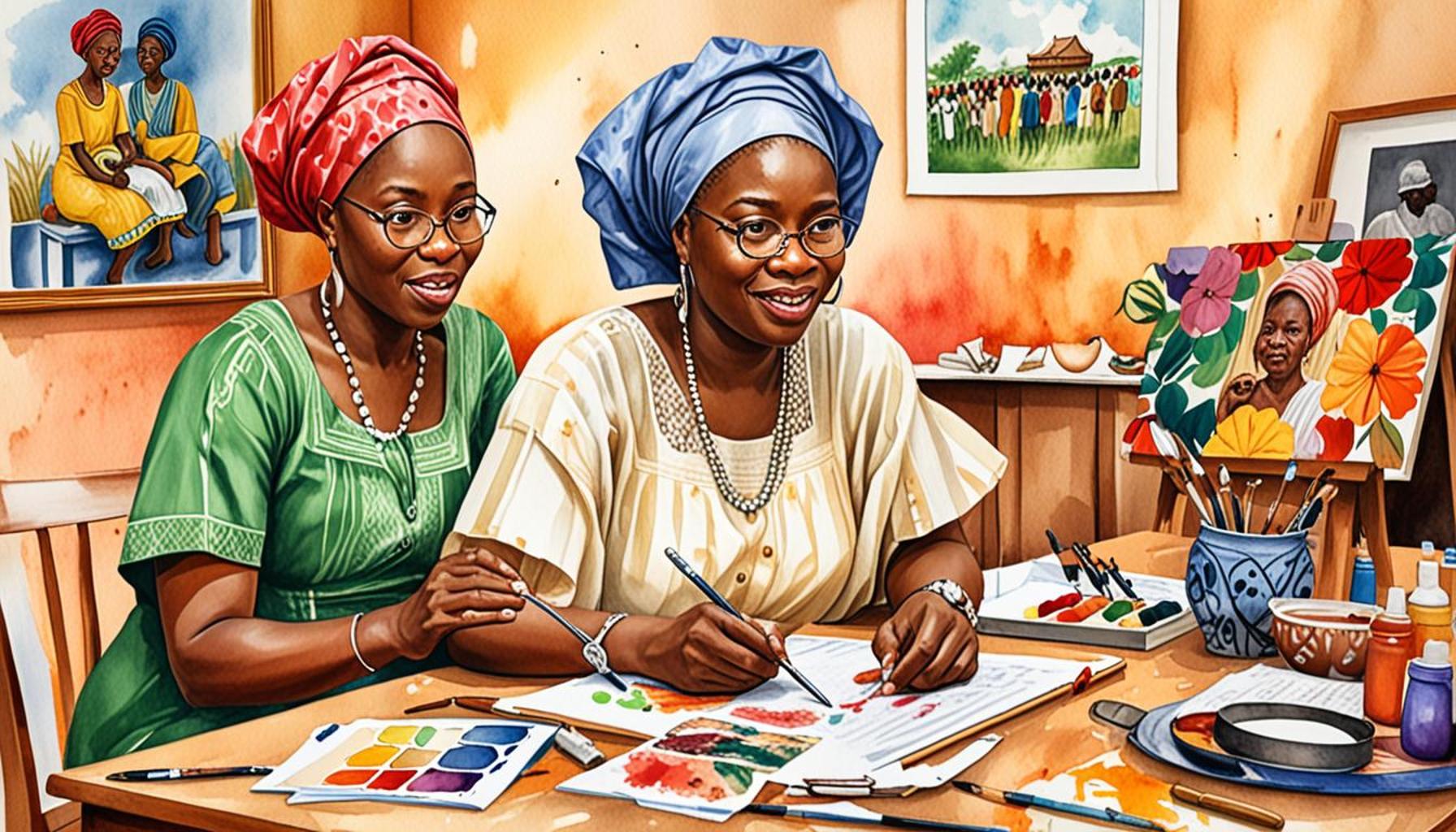
The Redefinition of Nigerian Handicrafts in the Era of Globalization
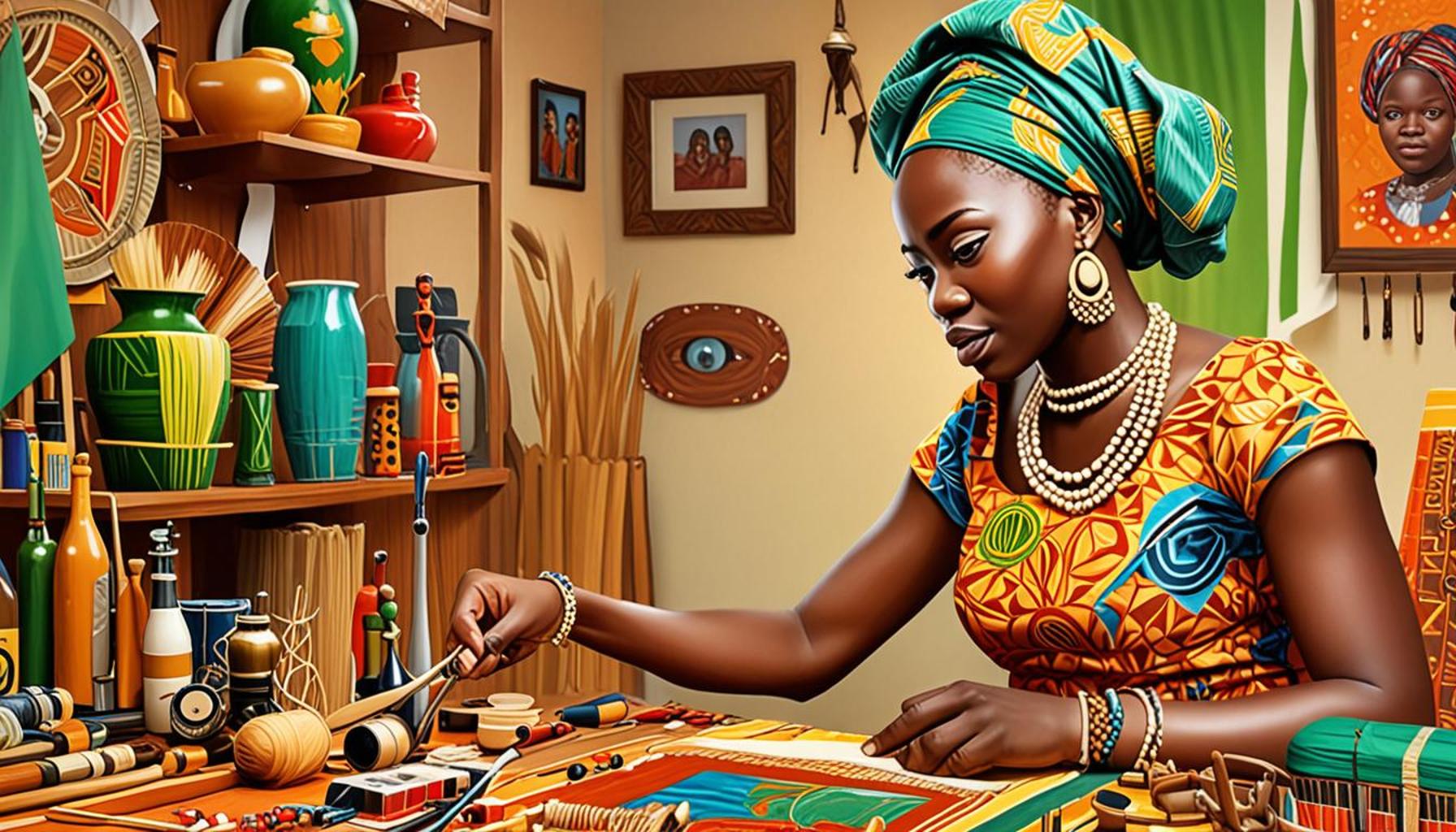
The Transformation of Nigerian Handicrafts in a Globalized World
The landscape of Nigerian handicrafts is on the brink of a significant evolution. As the world becomes increasingly interconnected, traditional arts are adapting to reflect contemporary tastes while still honoring their rich heritage. This fascinating intersection of globalization and cultural expression brings forth both opportunities and potential pitfalls for artisans across Nigeria.
One of the most striking trends in this transformation is the fusion of styles. Artisans are experimenting with blending age-old Nigerian motifs—such as the intricate patterns of Adire textiles from the Yoruba people—with modern design aesthetics. This creative melding not only creates fresh visual narratives but also positions these artisans to appeal to a broader market that encompasses both local and international audiences. For example, contemporary home decor frequently features uniquely designed sculptures that incorporate traditional themes, making them not just art pieces, but also statements of identity.
Another crucial element influencing this change is access to markets. The rise of online shopping platforms like Etsy and social media channels such as Instagram has transformed how Nigerian artisans promote and sell their work. Artisans can now showcase their craftsmanship to a global audience, overcoming geographical barriers that once restricted their reach. For instance, a beadwork artisan in Lagos may now receive orders from customers as far away as London or Los Angeles. This expanded access allows for an exchange of ideas and designs, enriching the creative process while ensuring artisans can sustain their livelihoods.
However, this adaptation to globalization comes with a responsibility: the preservation of culture. Many artisans are dedicated to maintaining their traditional practices while innovating new forms. This could mean using traditional weaving techniques to create modern fashion apparel, thus respecting heritage while engaging with contemporary fashion trends. For example, young designers are championing the use of locally sourced materials to craft unique accessories that retain Nigerian identity in a global marketplace.
This remarkable evolution of Nigerian handicrafts prompts important questions regarding authenticity and cultural integrity. Will the blend of modern influences dilute the essence of these traditional forms? Or might it foster a greater appreciation for Nigeria’s rich cultural tapestry on the world stage? Through thoughtful engagement and innovation, Nigerian artisans are navigating these challenges, allowing their crafts to resonate in today’s global context while staying rooted in their vibrant heritage.
CHECK OUT: Click here to explore more
Embracing Innovation While Preserving Heritage
As Nigerian artisans embrace the winds of change brought on by globalization, they are not merely adapting; they are redefining their craft in ways that honor their cultural roots. At the heart of this shift is the idea of innovation through tradition. Many artisans are channeling their ancestral techniques while incorporating modern tools and materials to create distinctive products. This intersection of old and new paves the way for unique offerings that serve both local and international markets.
Artisans are using technology to elevate their craft. For instance, the integration of digital design tools allows beadworkers to visualize intricate patterns before physically crafting their pieces. This not only enhances the design process but also improves efficiency. Moreover, social media serves as a platform for artisans to showcase their work, revealing how they navigate the balance between past and present. By posting images of their process or completed items on platforms like Instagram, artisans attract a global audience, thereby engaging in valuable conversations about their methods and inspirations.
Significantly, this new era of handicrafts is also marked by the rise of artisan collectives, where various craftsmen collaborate to expand their reach and amplify their influence. Some key features of these collectives include:
- Skill Sharing: Experienced artisans mentor younger ones, passing down traditional knowledge while inspiring innovation.
- Market Access: Collectives pool resources to promote their products, making it easier to navigate international markets.
- Brand Building: By presenting a united front, artisans can establish a recognizable brand that resonates with consumers who value authenticity and cultural heritage.
In addition to collaboration, the global demand for sustainable and ethically sourced products is reshaping the landscape of Nigerian handicrafts. Artisans keen on preserving the environment are turning to organic materials and natural dyes, ultimately appealing to a growing base of conscious consumers. This trend reflects a broader movement towards sustainability that resonates well beyond Nigerian borders, benefitting artisans who are keen to align their practices with global values.
As artisans continue to explore this balance between heritage and modernity, a crucial aspect remains: the sentimentality attached to their craft. Each handmade object tells a story, imbued with history and cultural significance. This connection fosters a sense of pride among artisans, as they strive not only for commercial success but also for cultural representation on the global stage. The challenge lies in navigating the complexities of globalization without compromising the authenticity of their work. With each unique creation, Nigerian artisans are proving that it is possible to innovate while staying rooted in tradition.
The globalization of markets has significantly influenced the *redefinition of Nigerian handicrafts*, transforming traditional skills into sought-after commodities on the global stage. With advancements in technology and communication, artisans can now reach broader audiences beyond their local markets. By leveraging social media platforms and e-commerce sites, they showcase their unique creations, ranging from intricately woven textiles to hand-carved wooden crafts.A notable consequence of this evolution is the blending of traditional craftsmanship with modern design sensibilities. As artisans adapt to contemporary tastes, they experiment with innovative techniques and materials, ensuring their products resonate with both local and international consumers. This shift not only enhances the appeal of Nigerian handicrafts but also elevates their status in the global marketplace, prompting increased demand and appreciation from international buyers.Furthermore, the rise of sustainable and ethical consumerism has led to an increased interest in authentic, handmade products. People are increasingly looking for items that tell a story, and Nigerian handicrafts fulfill this desire beautifully. Every piece represents not only the artisan’s skill but also the rich cultural heritage of Nigeria. This cultural representation holds immense value, allowing consumers to feel a connection to the heritage, history, and community represented in each handcrafted item.By supporting these artisans and their redefined craft, consumers contribute to local economies and cultural preservation. In a world that often favors mass production, the call for unique, handcrafted items presents a lucrative opportunity for Nigerian artisans. This intricate dance between tradition and globalization not only breathes new life into Nigerian handicrafts but also sets the stage for their recognition as an invaluable aspect of global artisan identity.In the following sections, we will explore the specific advantages brought forth by this transformation. Below is a detailed table highlighting the benefits of embracing Nigerian handicrafts in today’s global market.
| Category | Advantages |
|---|---|
| Cultural Empowerment | Preservation of heritage and traditional techniques. |
| Economic Growth | Increased income for artisans through global sales. |
This table encapsulates the essence of the current trends impacting Nigerian handicrafts as they navigate the complexities of a globalized world, inviting readers to delve deeper into how these advantages can be harnessed for future development.
YOU MAY ALSO LIKE: Read read another article
Celebrating Diversity Through Craft
The rich tapestry of Nigerian handicrafts comes alive when one considers the vibrant diversity present across the nation’s 36 states, each steeped in unique cultural practices and traditions. In the era of globalization, this diversity is not merely maintained but celebrated, allowing artisans to market their distinct regional crafts to an increasingly varied audience. From the colorful Adire textiles of the Yoruba people to the intricate wooden sculptures of the Ekiti tribe, each craft reflects a story that speaks to both identity and heritage.
Today, artisans are utilizing storytelling as a marketing tool that resonates with consumers worldwide. Goods crafted with a narrative are becoming increasingly appealing, as contemporary buyers seek deeper connections with the products they purchase. For example, many artisans share personal anecdotes about the inspiration behind their work, whether it involves a cherished memory from childhood or a traditional motif that has been passed down through generations. This aspect of storytelling enables artisans to build emotional links with their buyers, transforming an ordinary purchase into an experience that fosters appreciation and understanding of Nigerian culture.
Moreover, the concept of cultural exchange begins to flourish as Nigerian artisans collaborate and network with international artists. Through cross-cultural projects, these craftsmen integrate a variety of artistic influences into their work. Such interactions lead to innovative creations that showcase a fusion of diverse aesthetics, appealing to a wider global clientele. Instances of collaborations between local Nigerian textile artisans and international fashion designers highlight the significant potential for Nigerian handicrafts to make headway in the global fashion and design sectors.
- Market Development: The presence of online platforms provides artisans expansive reach, helping them to establish an extensive network beyond local markets. Artisans utilizing e-commerce platforms have reported increased sales and engagements as they can now showcase their work to potential customers worldwide.
- Art fairs and exhibitions: Participation in international art fairs and trade exhibitions creates opportunities for artisans to network, learn about the latest trends, and present their work within a global context, thereby enhancing the prestige of Nigerian handicrafts.
Additionally, the rise of the artisanal movement has sparked a renewed interest among young Nigerians in pursuing traditional crafts. Many youth increasingly view handicrafts as viable career options rather than merely hobbies, leading to the revitalization of age-old techniques alongside newer methods. This interest is vital for the preservation of traditional skills and fosters innovation as younger artisans find ways to reinterpret these practices for contemporary settings.
With globalization impacting every facet of society, artisans face challenges ranging from intellectual property concerns to the threat of cultural appropriation. However, navigating these complexities is a necessary component of ensuring the longevity of Nigerian handicrafts. Artisans are beginning to voice the need for stronger protection of their designs while simultaneously educating consumers about the significance of their crafts. By establishing distinct identities and rightful ownership over their creations, artisans can engage with global markets confidently and authentically.
The nexus of globalization allows for a remarkable platform to elevate Nigerian handicrafts, offering artisans a chance to not only thrive economically but also to represent their cultural heritage on a world stage. As the era of globalization continues to unfold, the dialogue between tradition and innovation in Nigerian handicrafts enriches the global art landscape, presenting a promising future where both are valued and celebrated.
CHECK OUT: Click here to explore more
Conclusion: A New Dawn for Nigerian Handicrafts
The journey of Nigerian handicrafts in the age of globalization illustrates a vibrant evolution where cultural richness meets modernity. As artisans embrace the interconnectedness brought about by global trade and digital platforms, they not only showcase their remarkable creations but also weave narratives that capture the essence of their heritage. This dual focus on storytelling and craftsmanship fosters connections that bridge cultural divides, allowing international audiences to engage more deeply with Nigerian art.
The importance of preserving traditional techniques while adapting to contemporary preferences cannot be overstated. The integration of innovative designs and collaborative ventures with global artists signals a promising shift in how Nigerian handicrafts are perceived worldwide. Artisans are transforming challenges into opportunities, advocating for their intellectual property rights while simultaneously enhancing the global visibility of their work. This proactive approach is essential, as it ensures that the cultural narratives behind each piece are honored without falling prey to cultural appropriation.
As we reflect on the trajectory of handicrafts in Nigeria, it is evident that this redefinition is not just a survival strategy but a potential catalyst for economic empowerment. With an increasing number of young Nigerians invested in traditional crafts, the future looks bright. By embracing globalization while staying true to their roots, Nigerian artisans stand poised to leave a lasting impact on the global craft landscape, redefining what it means to be an artist in a connected world.
Ultimately, this era of globalization offers a unique opportunity for Nigerian handicrafts to flourish, encouraging a resurgence of pride in cultural identity. As more individuals become aware of and appreciate the intricacies of Nigerian craftsmanship, the collective future of the nation’s arts and culture appears not only vibrant but also sustainable.