The Role of Art in Nigerian Culture: Translating Traditions and Stories through Artistic Expression
The Role of Art in Nigerian Culture
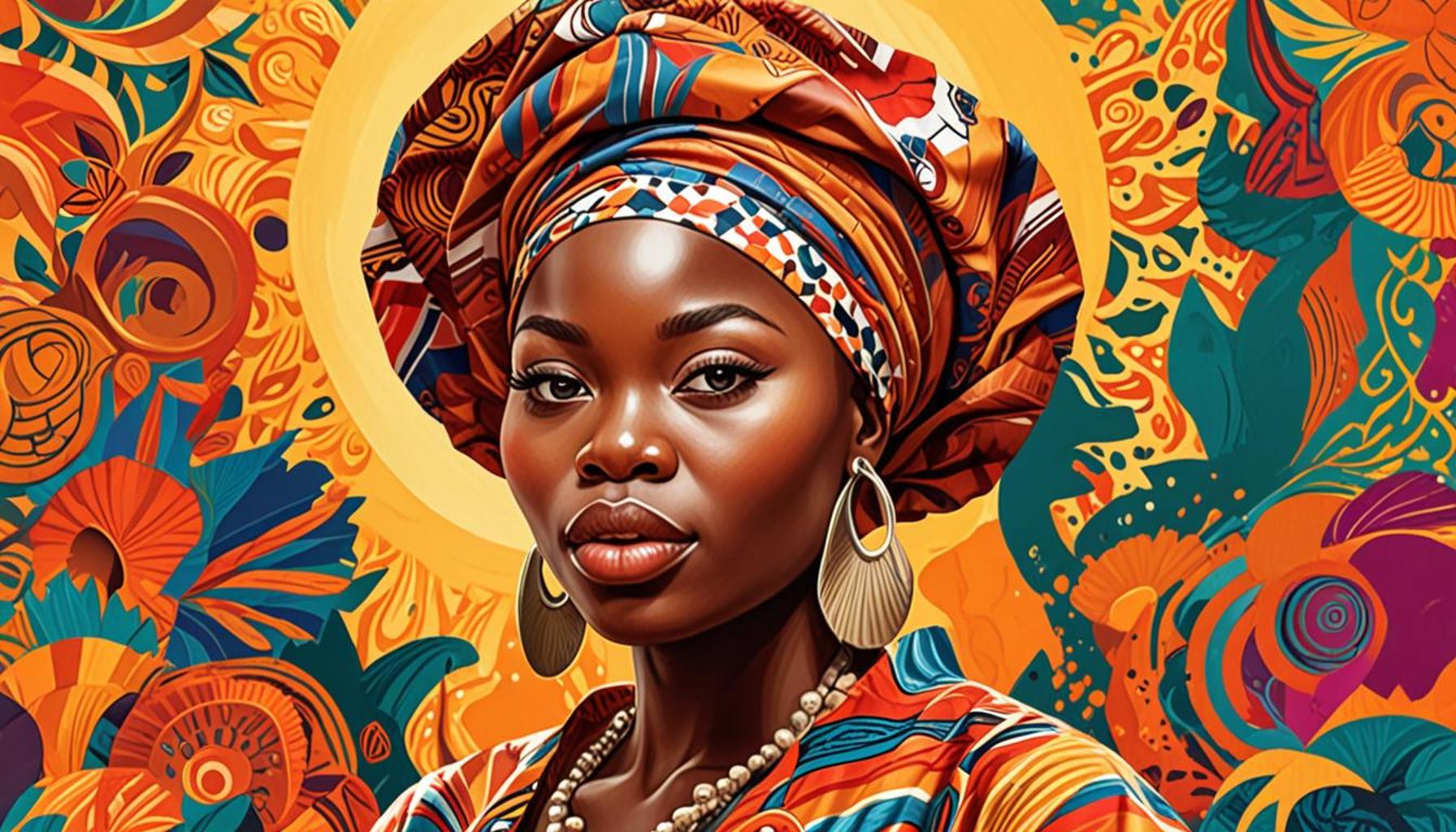
Art in Nigeria is more than just visual appeal; it is a profound expression of culture and identity. It serves as a bridge connecting past traditions with contemporary narratives, embodying the stories of Nigeria’s diverse ethnic groups. The significance of Nigerian art is deeply interwoven with the identities of its people, as it mirrors both historical events and social issues that resonate within local communities.
The role of art in Nigerian culture can be understood through various mediums, including:
- Traditional crafts such as pottery and weaving, which not only serve utilitarian purposes but also showcase the craftsmanship and artistic skills passed down through generations. For example, the intricate designs found in the pottery of the Nok culture, dating back to 500 BC, reflect early advancements in artistry that are still celebrated today.
- Music that resonates with historical events and myths, telling stories that preserve the nation’s oral history. Genres like Afrobeats and highlife have gained international recognition, further emphasizing the significance of musical expression in modern Nigerian society.
- Dance which embodies communal values and beliefs, often performed at celebrations and ceremonies. Traditional dances like the Gerewol festival dance highlight the social dynamics within communities, serving as a medium for storytelling and cultural preservation.
- Visual arts like painting and sculpture that depict historical figures and events. The works of contemporary artists, such as El Anatsui, who creates stunning installations from recycled materials, offer a powerful commentary on the relationship between culture, consumption, and the environment.
Each of these forms of artistic expression serves to preserve and communicate cultural heritage and social values. The iconic Bronze heads of Benin not only exemplify the advanced metallurgical skills of the past but also tell intricate stories of leadership and craftsmanship, serving as symbols of pride for the Edo people. Meanwhile, the vibrant aesthetics of Adire fabrics, dyed with unique patterns, express identity and creativity, often used in attire that symbolizes cultural festivities.
By exploring these rich artistic traditions, one can uncover the layered narratives that reflect Nigeria’s rich history and contemporary challenges. From the ancient to the modern, art becomes a lens through which one can view the evolution of Nigerian society. This journey into the heart of Nigerian art reveals how every stroke, note, and dance step translates the soul of a nation, inviting locals and visitors alike to engage with and celebrate these dynamic expressions.
ADDITIONAL INSIGHTS: Expand your understanding here
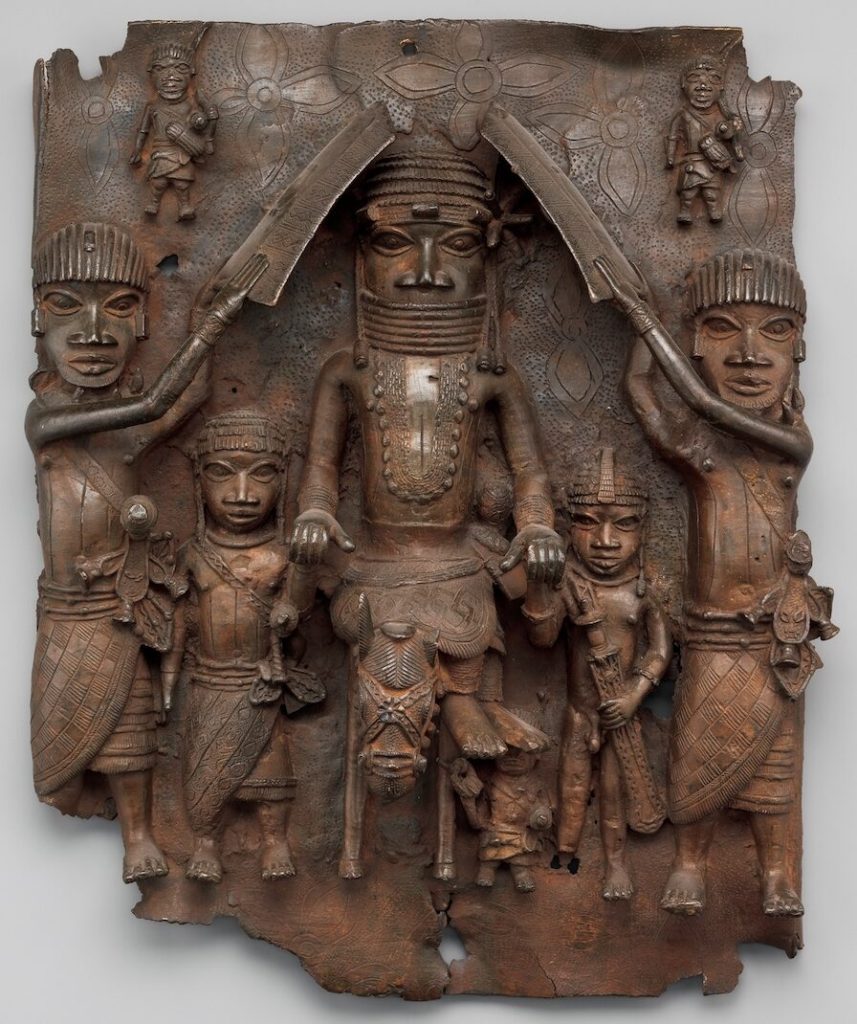
Art as a Vehicle for Cultural Transmission
In Nigeria, art functions as a vital conduit for the transmission of traditions and stories, shaping the cultural landscape and enabling communities to articulate collective experiences. Each piece of art, whether crafted for utility or beauty, carries the essence of its originating culture, providing insight into the values and norms that govern daily life. This intertwining of art and culture emphasizes the importance of artistic expression in the preservation of Nigeria’s rich heritage.
The ways in which art encapsulates narratives are manifold. Consider the following essential categories:
- Craftsmanship in textiles, such as the vibrant Batik fabrics of the Yoruba people, where intricate patterns convey local folklore and symbolism. The process of creating these fabrics involves rituals and storytelling, reinforcing community identity through colors and motifs.
- Sculpture and figurative art, particularly in the Igbo and Yoruba regions, where wooden masks and figures tell stories of ancestral spirits or local histories. These pieces are often used in rituals, helping to maintain a connection to the spiritual world and historical figures within the community.
- Oral traditions, relayed through performance art, are vital in keeping the stories of past generations alive. Griots or traditional storytellers use music and rhythm to engage audiences, ensuring that tales of courage, tragedy, and moral lessons are passed down through the ages.
- Contemporary visual arts, with artists like Njideka Akunyili Crosby, who blends traditional Nigerian elements with modern themes, reflect the hybrid identity of today’s Nigerian youth, navigating between cultural heritage and global influences.
This multifaceted nature of art is crucial in a country marked by over 250 ethnic groups, each with its own distinct traditions and stories. The visual and performing arts serve not only as a means of individual expression but also as a collective voice that bridges generational divides. In a world rapidly changing due to globalization, Nigerian art retains a unique significance, reminding communities of the essence of their history and values, which are often challenged by modern developments.
The use of art for storytelling can also have profound social implications. For instance, works that tackle themes such as political struggles and social injustices resonate strongly with contemporary audiences. Artists like Yinka Shonibare utilize the medium to comment on issues such as colonialism and identity, engaging with viewers both locally and internationally, and prompting discussions vital for social awareness.
The revival of interest in traditional practices, alongside the emergence of new artistic movements, highlights Nigeria’s ability to adapt while remaining firmly rooted in its cultural narratives. Through these artistic expressions, individuals not only gain a sense of belonging but also serve as active participants in the ongoing conversation about culture and identity. Consequently, art in Nigeria continues to play an indispensable role as a messenger, a keeper of traditions, and a catalyst for social change.
Art in Nigeria is not simply a form of aesthetic expression; it is an integral component of the social fabric that weaves together history, spirituality, and community identity. The vibrant artistic traditions serve as a language that transcends the spoken word, transmitting profound cultural narratives and moral lessons. From the intricate carvings of the Yoruba people to the colorful textiles of the Igbo, each art form is imbued with significance, reflecting both individual creativity and collective memory.One striking aspect of Nigerian art is its profound connection to rituals and ceremonies. For example, traditional masks play a vital role in age-old rites, such as initiation ceremonies and harvest festivals, symbolizing the relationship between the living and the spirits. These masks often tell stories that epitomize communal values and histories, fostering a sense of belonging and continuity among community members. The wearing of such art not only enhances the visual spectacle of these events but also serves to educate younger generations about their heritage.Moreover, the increasing attention to contemporary Nigerian artists on the global stage highlights the evolving nature of this cultural expression. Artists like Njideka Akunyili Crosby and El Anatsui draw from traditional practices while infusing modern perspectives, thus creating compelling dialogues that resonate with a worldwide audience. Their works often address themes of migration, identity, and global interconnectedness, revealing the complexities of Nigerian life in a rapidly changing world.Additionally, the role of art in education cannot be understated. Schools and cultural institutions are incorporating traditional arts into their curricula, allowing students to explore their cultural roots while developing their creativity. This educational approach not only nurtures talent but also ensures that traditional knowledge is preserved for future generations, enabling young Nigerians to take pride in their rich heritage.Through all these facets, it becomes evident that art serves as a powerful medium for translating traditions and stories in Nigerian culture, creating bridges between the past and present, and enabling a dynamic dialogue that fosters understanding both locally and globally. The significance of artistic expression in Nigeria truly reflects a vibrant narrative that deserves further exploration and appreciation. This depth of cultural richness emphasizes the need for ongoing discourse about the critical role of art in shaping identity, preserving traditions, and fostering unity within the diverse tapestry of Nigerian society.
RECOMMENDED: Check out this similar article
The Impact of Art on Community Identity
Art in Nigeria not only serves as a medium of storytelling but also plays a crucial role in shaping and reinforcing community identity. In a nation with diverse ethnic groups, regional variations in artistic expression create a rich tapestry of cultural narratives that reflect local customs, beliefs, and experiences. This vibrant artistic identity cultivates a sense of belonging among the people, allowing them to connect with their heritage and understand their place within the larger social context.
Indigenous crafts such as pottery, weaving, and bead-making are integral to communal life, often woven into the very fabric of cultural practices. For example, the Nupe people are renowned for their intricately designed pots, which serve both functional and ceremonial purposes. These artisans not only create beautiful objects but also transmit cultural values through the techniques used, symbolic forms, and the stories they embody.
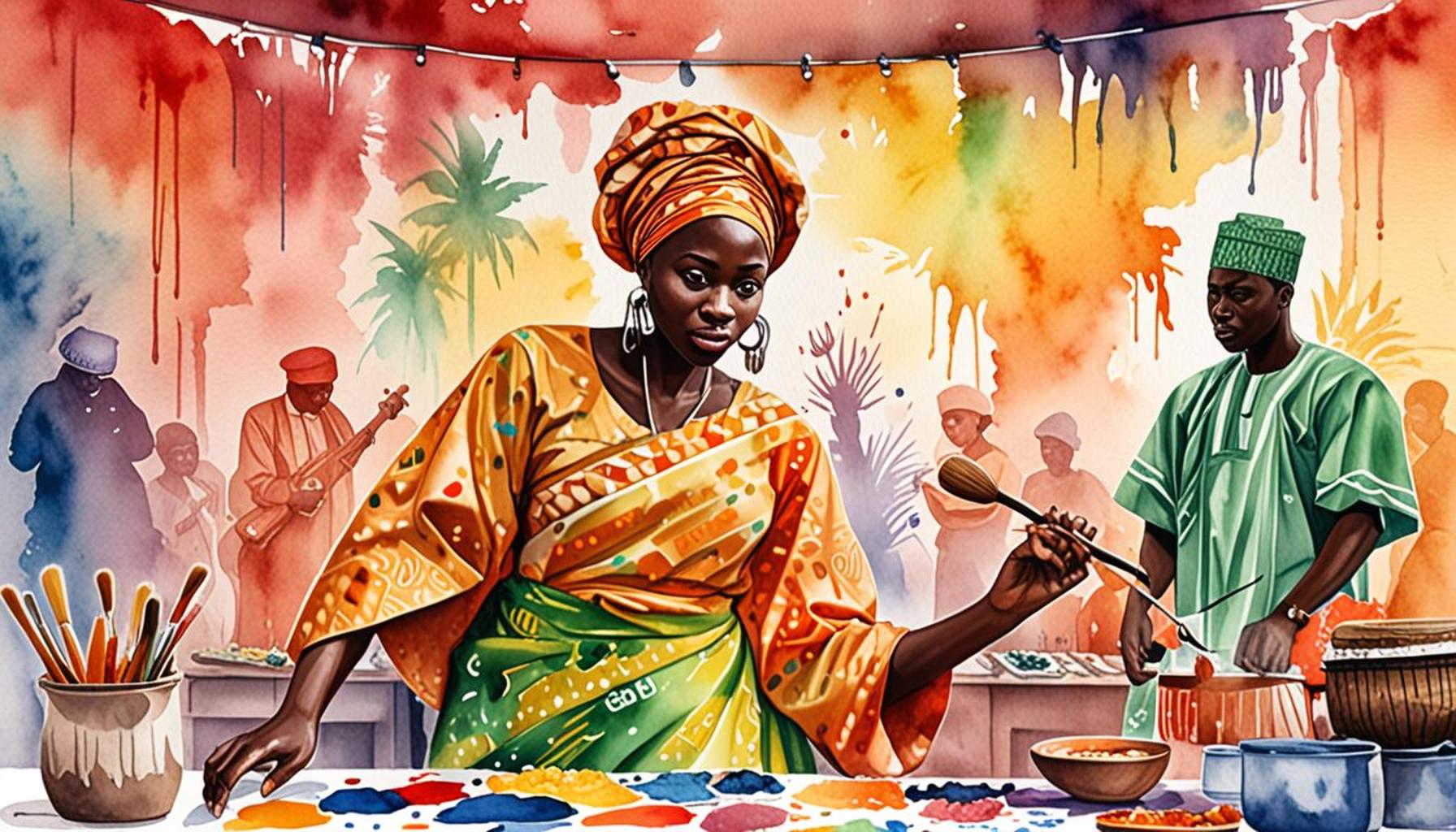
Moreover, art festivals across Nigeria celebrate this community-focused creativity. Events like the Lagos Arts and Crafts Fair or the Osun-Osogbo Festival provide platforms for artists to showcase their work, enabling dialogue between diverse ethnicities. Such festivals often incorporate traditional rituals and performances intertwined with contemporary art forms, offering a unique intersection of the past and present. These gatherings encourage a broader understanding of art’s role in community cohesion, allowing individuals to reclaim and celebrate their cultural identity.
In addition to this cultural reinforcement, art can also serve as a tool for advocacy and social change, especially in Nigerian literature and cinema. Contemporary Nigerian filmmakers, such as Kemi Adetiba, illustrate societal issues through compelling narratives, reflecting both the triumphs and struggles of everyday life. Films like “The Wedding Party” highlight the fusion of traditional customs with modern narratives while engaging viewers in discussions about marriage, class disparities, and social expectations. These artistic expressions prompt audiences to examine their realities and envision a more just society.
The infusion of technology and social media has also amplified the reach of Nigerian art in the contemporary age. Online platforms enable emerging artists to showcase their work to broader audiences while retaining local relevance. Initiatives like Art Twenty One provide vital support to new voices who create art that resonates with Nigeria’s youth, addressing themes such as self-identity, national pride, and the impact of globalization. Through the lens of both local context and global discourse, these artists can engage with significant cultural dialogues while ensuring their narratives remain relevant and accessible.
The vibrancy of contemporary Nigerian art is underscored by the continued involvement of artists in addressing critical social issues ranging from environmental concerns to political unrest. Street art, particularly in urban centers like Abuja and Ibadan, often serves as a bold form of protest, communicating messages that resonate with the public sentiment. Artists employ murals and installations to call attention to pressing matters, creating an environment where art transcends aesthetic appreciation and becomes a powerful instrument for social consciousness.
In summary, art in Nigerian culture operates as a multifaceted phenomenon, deeply intertwined with community identity and social dynamics. From traditional crafts to contemporary artistic movements, it reflects the evolving narratives of the Nigerian people while continuing to resonate with themes of heritage, belonging, and social consciousness. The role of art in Nigeria is not merely as a means of expression but as an enduring legacy that fosters unity and dialogues about the future of its diverse communities.
SEE ALSO: Click here to read another article
Conclusion
In conclusion, the role of art in Nigerian culture is undeniably profound, serving as a vital conduit for the expression of traditions, stories, and collective identity. Through an intricate mix of traditional and contemporary art forms, artists across Nigeria are not only preserving their rich heritage but are also reinterpreting it for new generations. This dynamic interaction promotes an ongoing dialogue about culture and identity, emphasizing the importance of understanding the past while embracing the future.
As we explore the diverse artistic expressions found in various Nigerian communities—from the intricate Indigenous crafts and vibrant festivals to the thought-provoking cinematic narratives—we gain insight into the values, struggles, and aspirations of the Nigerian people. Moreover, the advent of modern technology and social media has opened new horizons, allowing the voices of young and emerging artists to reach a global audience, amplifying their impact.
Art in Nigeria has also evolved into a platform for advocacy, sparking conversations around critical social issues such as environmental challenges and political unrest. Through murals and performances, artists are igniting change and inspiring their communities, showcasing that the power of art extends beyond its aesthetic appeal to challenge the status quo and unite people.
Ultimately, the transformative potential of art in Nigerian culture encourages us to embrace our multifaceted identities, fostering pride and solidarity among its people. As we continue to witness the evolution of artistic expression in Nigeria, it is essential to support and celebrate these varied narratives, ensuring that they endure as a testament to the resilience and creativity of a nation.