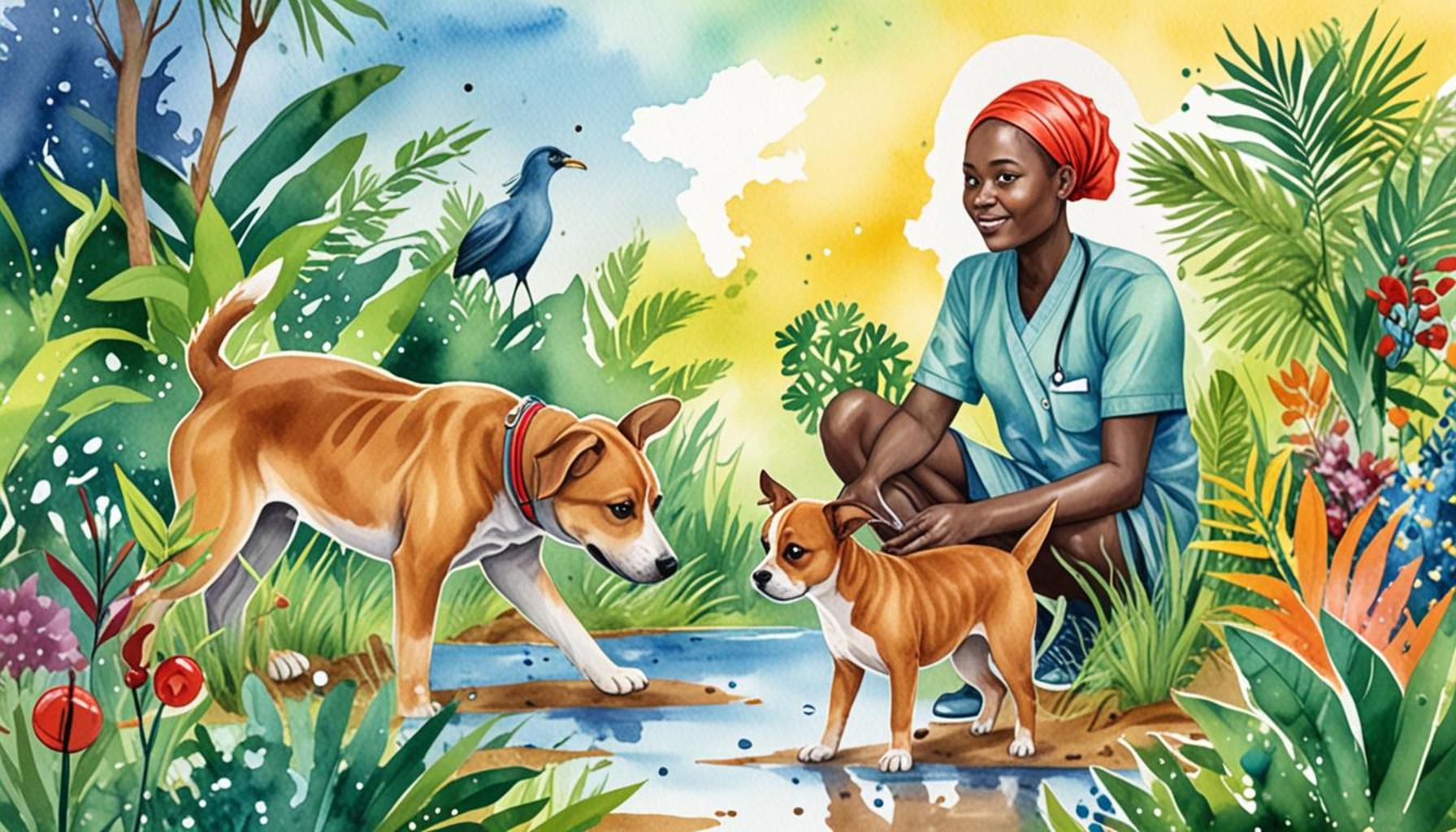
The Role of Communities in Promoting Health and Well-Being of Pets in Nigeria

Understanding the Rise of Pet Care Initiatives
The bond between humans and their pets in Nigeria has reached unprecedented levels, leading to a fundamental shift in how communities engage in pet welfare. With pet ownership on the rise—particularly in urban environments where families are increasingly inclined to adopt animals—there is a growing recognition of the need for comprehensive care and support systems for these furry companions. This evolving dynamic emphasizes the critical role that communities play in promoting responsible pet ownership and ensuring the well-being of animals.
One of the primary avenues through which community members contribute to pet welfare is via awareness campaigns. These initiatives are designed to educate pet owners about the essentials of animal care, addressing issues such as proper nutrition, vaccination schedules, and preventive healthcare practices. For instance, local veterinarians and animal welfare organizations have collaborated to host free seminars and workshops in neighborhoods, providing vital information that can prevent common diseases and promote longer, healthier lives for pets.
Another significant component comes from the establishment of veterinary services within the community. Many urban areas in Nigeria now have community clinics that offer affordable veterinary care, including vaccinations, spaying, and neutering services. This not only makes healthcare accessible to pet owners from diverse financial backgrounds but also helps reduce the stray population by controlling overpopulation. Such clinics often rely on volunteer veterinarians and students from veterinary colleges, fostering a sense of unity and dedication within the community to improve the lives of animals.
Moreover, local rescue groups have emerged as crucial players in the quest for animal welfare. These organizations often bring together passionate volunteers who dedicate their time to rescuing abandoned or abused pets. For example, groups like “Bring Back the Dogs” have made headlines for their tireless efforts in finding homes for stray animals. They not only offer shelter but also focus on rehabilitating these pets and educating potential adopters about responsible pet care, thus ensuring that these animals are placed in loving and supportive homes.
Through these collaborative efforts, communities across Nigeria are nurturing a culture of compassion and responsibility towards pets. This transformation is not just beneficial for animals; it enriches the lives of human participants. By promoting activities that include teaching pet owners about proper nutrition and mental stimulation for pets, community-driven initiatives are setting the stage for a future where the health and happiness of pets are a priority.

As the conversation around pet welfare continues to evolve, examining the impact of these community engagements reveals inspiring stories of resilience and hope. From the individual pet owner realizing the importance of stewardship to the collective action of volunteers making a difference, there is much to discover and appreciate in the ongoing journey toward improved pet care in Nigeria.
Grassroots Movements: The Pulse of Pet Care
As communities in Nigeria awaken to the vital necessity of safeguarding animal welfare, grassroots movements have emerged as a transformative force in the realm of pet health and well-being. These localized initiatives not only reflect the growing awareness of the importance of animal husbandry but also highlight the power of collective action in addressing widespread challenges faced by pet owners. Among these challenges are access to veterinary care, education on responsible pet ownership, and the need for resources that contribute to the well-being of pets.
One of the most impactful forms of community involvement has been the establishment of community pet clubs. These clubs serve as hubs for pet owners to connect, share experiences, and learn from one another. Often organized by passionate individuals, these clubs host activities such as pet training sessions, socialization events, and even fundraisers to support local animal shelters. For instance, in Lagos, a growing number of these clubs have come together to sponsor vaccination drives, ensuring that pets receive essential medical attention without straining their owners’ finances.
In addition to clubs, community-led animal health fairs have played a significant role in enhancing access to veterinary services. These events typically host a range of activities, including:
- Free vaccinations and health screenings for pets.
- Nutritional consultations to inform pet owners about dietary needs.
- Workshops on basic pet care, covering topics like grooming and hygiene.
- Interactive sessions where experienced pet owners can mentor new ones.
These fairs not only facilitate direct access to veterinary care but also foster an environment of learning and collaboration among pet parents. As word spreads, more pet owners participate, further amplifying the impact of these initiatives in their communities.
Moreover, the social media landscape has been harnessed effectively to strengthen community bonds and share crucial information. Platforms like WhatsApp and Facebook have become vital tools for local pet owners to collaborate on collecting resources, arranging meetings, and disseminating advice. For instance, neighborhood groups often post alerts about lost pets, upcoming health fairs, or need for volunteers at local shelters. This synergy promotes a sense of unity and urgency in tackling pet welfare issues collectively.
The integration of cultural practices and local traditions into these community efforts cannot be overlooked. Many communities blend traditional beliefs with modern practices to create unique programs. This hybrid approach not only engages pet owners but also educates them on the importance of embracing evidence-based veterinary practices while respecting local customs. This cultural sensitivity amplifies participation and ensures these initiatives resonate with residents.
Ultimately, the evolution of community-led pet welfare initiatives in Nigeria underscores a growing recognition of the relationship between healthy pets and thriving communities. As locals come together to champion animal welfare, they foster an environment that is conducive not only to the well-being of pets but also to human health and social cohesion, thus laying the groundwork for a sustainable future in pet care.
The health and well-being of pets greatly depend on community involvement and support, especially in Nigeria where the bond between humans and animals is often overlooked. One prominent way communities enhance pet health is through organized vaccination drives. These initiatives are aimed at educating pet owners about preventive care, thereby significantly reducing the spread of contagious diseases among animal populations. Through such programs, communities not only protect pets but also foster a healthier environment, which directly impacts public health.
Moreover, grassroots organizations play a vital role in promoting animal welfare. They often set up shelters and foster networks, creating safe havens for stray or abandoned animals. This communal effort not only alleviates the suffering of these vulnerable pets but also nurtures a sense of responsibility among community members. As awareness increases, more people are likely to consider adopting rather than purchasing pets, ultimately leading to more stable and loving homes for animals.
Community-led initiatives also focus on education and capacity building. Workshops and seminars teach pet owners about proper care practices, dietary needs, and behaviors. With better knowledge, pet owners are empowered to make informed decisions, significantly improving the quality of life for their animals. Pet health training programs often include discussions on the significance of regular veterinary check-ups, which can be a financial burden for many; communities often work together to find solutions for affordable veterinary care.
The engagement of local leaders in advocacy efforts helps bridge the gap between pet owners and health services. When communities prioritize pet welfare, local governments tend to respond, leading to improved regulations and policies that protect animal rights. As collaboration between pet owners and the community grows, it helps to realize a collective responsibility towards animal health, effectively improving overall well-being in Nigeria.
| Community Engagement | Impact on Pet Health |
|---|---|
| Vaccination Drives | Reduces spread of diseases, boosts overall pet health. |
| Education Workshops | Empowers owners with knowledge on proper pet care and well-being. |
| Advocacy and Policy Change | Encourages better regulation and protection for animal rights. |
Collaboration with Local Governments and NGOs
The impact of community efforts in promoting the health and well-being of pets is significantly enhanced through collaboration with local governments and non-governmental organizations (NGOs). This partnership model has proven beneficial in various Nigerian communities, where the pooling of resources creates a more robust framework to address pet welfare issues. Such collaborations often yield practical solutions tailored to meet the unique needs of local pet owners.
Local governments are increasingly recognizing the importance of integrating animal welfare into public health initiatives. Programs that combine education about responsible pet ownership with public awareness campaigns are becoming more prevalent. For instance, in states like Ogun and Enugu, local authorities have partnered with reputable NGOs to establish pet health awareness campaigns. These initiatives provide pet owners with vital information on vaccination, spaying, and neutering, ultimately reducing the number of stray animals and the risks they pose to public health.
Furthermore, these partnerships often lead to the establishment of community veterinary clinics that offer affordable services to pet owners. These clinics, often operated by NGOs, provide routine check-ups, emergency care, and even sterilization services at subsidized rates. For example, the involvement of organizations like the Nigerian Veterinary Medical Association (NVMA) in various outreach programs has been crucial in ensuring that veterinary care is both accessible and affordable for families from lower socio-economic backgrounds.
The role of education cannot be overstated in these collaborative efforts. Workshops and seminars led by veterinary experts not only equip pet owners with the necessary skills to care for their furry companions but also emphasize the ethical treatment of animals. Topics often include the importance of regular veterinary visits, recognizing common health issues, and understanding pet behavior. These educational initiatives are frequently conducted in partnership with community centers, schools, and local businesses, allowing broader access to crucial information.
Additionally, the creation of community-based adoption and fostering programs has gained traction within this framework. Several NGOs have developed community-led animal rescues that focus on finding homes for abandoned or stray pets. Initiatives like these not only contribute to the well-being of animals but also promote a culture of empathy and responsible ownership among community members. With widespread campaigns showcasing the benefits of adopting pets, public interest in fostering animals has noticeably increased, indicating a shift in societal attitudes towards pets as valued companions.
The significance of local cultures in these community efforts has led to innovative approaches in promoting pet well-being. For example, traditional festivals in regions like Igbo and Yoruba areas often incorporate pet shows, where responsible ownership is celebrated. These events serve as engaging platforms for educating communities about animal welfare while also honoring their cultural heritage. Through these festivities, community members bond over their shared love for animals, thereby reinforcing the social fabric that supports animal welfare.
The powerful synergy between communities, local governments, and NGOs signifies a progressive step towards better health outcomes for pets in Nigeria. As mutual support networks expand across different regions, the trajectory of pet welfare appears promising, revealing the untapped potential communities have in shaping a compassionate and responsible future for animal care.
Conclusion
The landscape of pet care in Nigeria is transforming through community-driven initiatives that prioritize the health and well-being of pets. As outlined in this article, communities play a pivotal role in establishing a supportive environment for responsible pet ownership and enhanced animal welfare. From fostering collaborative efforts with local governments and NGOs to implementing educational programs that empower pet owners, these grassroots movements pave the way for a compassionate society that values the lives of animals.
Moreover, the emergence of community veterinary clinics and affordable care options demonstrates a commitment to inclusivity, ensuring that families from all backgrounds can access essential veterinary services. By working hand in hand with various stakeholders—including veterinarians, educators, and local businesses—communities are not only addressing pet care challenges but are also enriching the cultural fabric of communal living.
These efforts remind us that the well-being of pets extends beyond individual households; it is a collective responsibility that fosters empathy, compassion, and healthy relationships between humans and their animal companions. Looking ahead, it is essential for more communities across Nigeria to harness these vibrant networks of support, share best practices, and embrace the shared goal of promoting animal welfare. The synergy created through joint action can undoubtedly elevate our society’s understanding of responsible pet ownership while leading to healthier, happier lives for our cherished pets.
As Nigeria progresses towards a more holistic approach to pet welfare, communities have the opportunity to shape an inclusive narrative that not only prioritizes the health of pets but also enriches public health and social well-being across the nation.