The Role of Rewards and Punishments in Habit Formation in Pets
Understanding the Mechanisms of Behavior in Pets
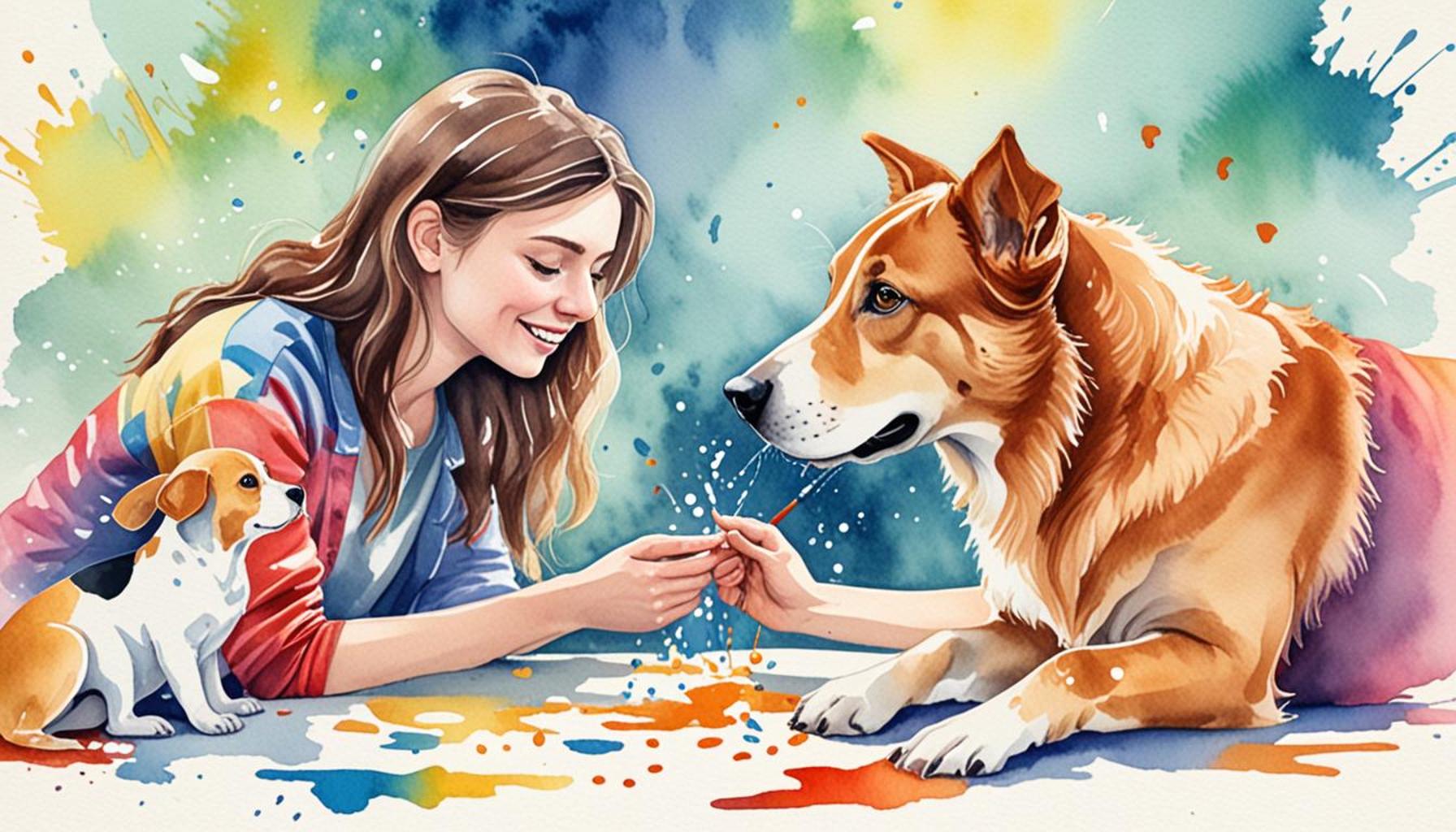
Dogs, cats, and other pets are not just companions; they are creatures capable of learning and adapting through rewards and punishments. This fascinating aspect of animal behavior can significantly influence habit formation, shaping how pets interact with their environment over time. Just as humans respond to positive reinforcement and corrective measures, so do our furry friends, making it essential for pet owners to understand these dynamics fully.
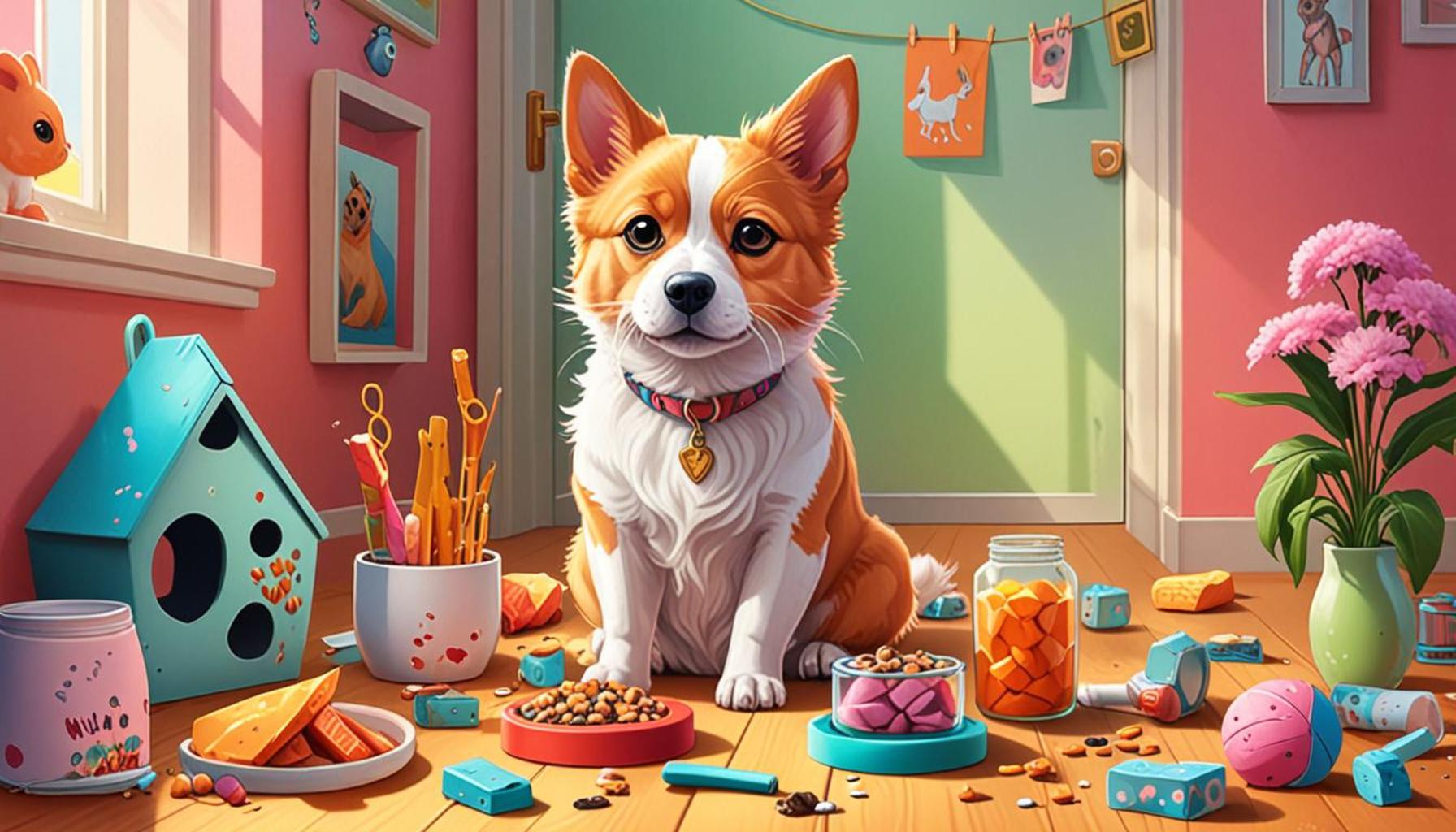
In Nigeria, pet ownership is on the rise, yet many owners confront challenges when it comes to training their animals effectively. The use of rewards and punishments is critical in building desirable habits. For example, while training a dog to sit on command, one effective method is to offer it a small treat immediately after it complies. This practice creates a positive association, encouraging the behavior to recur. Similarly, when a pet exhibits unwanted behaviors like chewing on furniture, owners may implement verbal reprimands or redirection to discourage such habits. These techniques are vital for establishing boundaries in a pet’s mind.
- Using treats to encourage sitting on command helps the dog associate the command with a positive outcome.
- Verbal reprimands for unwanted behaviors like chewing furniture reinforce that those actions are not acceptable.
- Positive reinforcement through affection and praise for good behavior strengthens the bond between the pet and its owner.
These training methods not only have a direct impact on the immediate response of pets but can also lead to long-term behavior changes. By understanding the underlying principles of animal psychology, pet owners can cultivate a more positive and effective training environment.
Moreover, the cultural context in Nigeria enriches this discussion significantly. Many households may implement traditional practices alongside modern training psychology, leading to unique approaches in pet discipline. For instance, in communities where pets are treated with familial love and care, novel methods such as ritualistic feeding or communal play may supplement formal training techniques. These practices can foster a sense of belonging and security within the pet, enhancing its responsiveness to training.
Diving deeper into the role of rewards and punishments can unveil effective strategies that resonate with our local context. Understanding that every pet is unique is crucial; what works for one may not work for another. Observing the individual temperament and reactions of pets can lead owners to tailor techniques that foster better understanding and cooperation.
In conclusion, mastering these elements can transform the training journey into a more rewarding experience for both pets and their owners, leading to a harmonious coexistence that enhances the quality of life for all involved.
The Significance of Rewards in Pet Training
In the realm of pet training, the concept of rewards plays a foundational role in habit formation. When a pet engages in a desired behavior, offering a reward reinforces that action, making it more likely to be repeated in the future. This principle is particularly effective with pets like dogs, who respond eagerly to treats, praise, and even physical affection. In Nigeria, where dog ownership is rapidly growing, employing rewards can transform a seemingly mundane training session into an engaging experience that strengthens the bond between owner and pet.
For instance, consider the common scenario of teaching a dog to fetch. The act of tossing a ball is not the only part of the equation; when the dog returns the ball and is greeted with excited praises and a delicious treat, the behavior fosters not just compliance but enthusiasm. Over time, the pet begins to associate fetching with joy and reward, solidifying it as a habitual action. Here are some key elements to consider when using rewards:
- Timing is crucial: Delivering the reward immediately after the desired behavior helps create a clear connection in the pet’s mind.
- Variety of rewards: Different pets may respond better to different rewards. Experimenting with treats, toys, or praise can yield better results.
- Gradual reduction: Once a behavior is well established, gradually reducing the frequency of rewards can maintain the habit without creating over-dependence on treats.
In the Nigerian context, where many pets are also regarded as part of the family, this approach to rewarding good behavior aligns seamlessly with the affectionate culture towards animals. Moreover, understanding that a pet’s emotional state can affect its learning capability is vital. A happy and secure pet is far more likely to respond positively to training sessions, making rewards a critical element not just for immediate compliance but also for long-term behavioral changes.
Navigating the Complexities of Punishments
Conversely, the role of punishments in habit formation is more nuanced and requires careful consideration. While some degree of correction is necessary to discourage unwanted behaviors, improper use can lead to fear, anxiety, or aggression. For example, when a pet is scolded for making a mess indoors, the aim is to help the pet understand that this behavior is unacceptable. However, if the punishment is too severe or inconsistent, it may cause the pet to associate the owner with negative experiences rather than learning the desired behavior.
In Nigerian households, where pets are often treated warmly, employing a balanced method of correction is essential. Implementing gentle physical redirection or using a firm but calm voice can signal to the pet that certain behaviors are inappropriate without instilling fear. Key aspects to be mindful of when applying punishment include:
- Consistency: Maintaining a consistent approach helps pets understand the boundaries better.
- Avoid physical punishment: Non-physical forms of correction, such as time-outs away from stimulating areas, can be more effective.
- Focus on teaching: Redirecting attention to accepted behaviors rather than solely punishing negative actions is pivotal.
The interplay of rewards and punishments is crucial in habit formation for pets. Balancing these two elements effectively can lead to a more harmonious living environment, where pets thrive and owners enjoy their companionship. Understanding the nuances involved can illuminate a path to successful pet training, paving the way for a rewarding relationship.
The Role of Rewards and Punishments in Habit Formation in Pets
Understanding the mechanisms of habit formation in pets, particularly through rewards and punishments, is pivotal for pet owners aiming to cultivate desirable behaviors. Professionals and researchers are continuously exploring how animal psychology interacts with learning principles. This exploration reveals that both rewards and punishments can significantly shape behaviors, but how they are applied plays a critical role in effectiveness.
Positive reinforcement through rewards is often considered the gold standard in training methodologies. It fosters an environment of trust and encourages pets to repeat behaviors that yield positive outcomes. For instance, using treats, praise, or playtime when a pet performs a desired action builds a *stronger bond* between the owner and the pet, while ensuring the pet associates those actions with affirmative results. It’s crucial to choose rewards that are both motivating and suitable for the pet, with consistency being key to establishing a lasting habit.
On the contrary, punishment, if not carefully managed, may lead to fear and anxiety, negatively impacting the owner-pet relationship. While some may argue for its necessity to curb undesirable behaviors, the effectiveness of punishment often hinges on its timing and delivery. An inconsistency in this approach can confuse pets, potentially leading them to develop avoidance behaviors rather than learning appropriate actions. Therefore, it’s essential to approach punishment with caution, focusing on methods that aim at redirection rather than just elimination of a behavior.
The balance between rewards and punishments influences the overall learning process for pets, emphasizing the importance of tailored training strategies that enhance *habit formation* in a constructive manner.
| Category | Characteristics |
|---|---|
| Rewards | Promotes positive behavior and strengthens the bond |
| Punishments | May lead to anxiety and confusion if not used appropriately |
In essence, training through rewards aligns closely with the innate learning instincts animals possess, paving the way for effective habit formation while minimizing adverse effects associated with inappropriate use of punishment.
Creating a Balanced Approach: The Reward and Punishment Spectrum
Effective pet training hinges not just on rewards and punishments individually, but on the delicate balance between the two. This dynamic interaction can significantly influence a pet’s learning curve and ultimately shape its behavior. For instance, understanding that different pets exhibit various temperaments is crucial for tailoring a training approach that works best. A high-energy breed, such as a Nigerian Dogue, may thrive on an abundance of rewards during training, whilst a more reserved breed might benefit from a combination of gentle corrections paired with rewards to encourage desired behaviors.
Furthermore, the cultural landscape in Nigeria plays an instrumental role in shaping pet training philosophies. Many Nigerian pet owners prefer to establish an emotional connection with their pets, leading to an instinctive inclination toward the use of rewards. This approach can positively affect the pet’s anxiety levels and promote willingness to engage during training sessions. Studies reveal that pets trained with positive reinforcement techniques, such as rewards, display lower stress levels, which in turn, enhances learning efficiency. Therefore, it is crucial to consider psychological well-being while navigating the training process.
The Power of Timing and Context
The timing of rewards and punishments can significantly influence their effectiveness. Research indicates that immediate recognition of favorable behavior helps instill a clearer understanding for pets. For example, if a dog successfully performs a command, offering a treat within seconds ensures a stronger association between the action and the positive feedback. Conversely, delayed responses may confuse pets, leading to accidental reinforcement of undesirable actions.
Additionally, contextual factors can enhance the effectiveness of both rewards and punishments. For example, while training in a quiet room can facilitate focus, distractions such as new stimuli or other pets might necessitate different strategies. In these instances, using high-value rewards, like a favorite toy or a special treat, can be particularly effective in maintaining a pet’s attention amidst distractions. Understanding these nuances not only aids in effective training but also empowers pet owners to foster a supportive environment.
The Role of Emotional Intelligence in Training
Recognizing the emotional intelligence of pets offers deeper insight into how rewards and punishments can be applied. Pets, like dogs and cats, often mirror the emotional states of their owners. A calm owner exuding patience can have a profoundly positive effect on the pet’s learning journey. In Nigeria, where family bonds are central, aligning pet training with emotional awareness can create a nurturing environment that fosters long-lasting habits. This harmonious synergy can be particularly significant when introducing new behaviors or correcting unwanted ones.
- Criteria for Success: Clearly defining what constitutes a ‘good’ action can guide owners in applying appropriate rewards and punishments.
- Building a Routine: Establishing regular training times can help solidify desired behaviors, ultimately easing the learning process.
- Encouragement Through Resilience: Understanding that there will be setbacks in training allows owners to maintain a positive outlook, reinforcing the training journey.
The relationship between rewards and punishments is not binary but rather a spectrum that, when navigated correctly, can lead to enhanced habit formation in pets. By embracing a cultural understanding of pet companionship in Nigeria, combined with emotional intelligence and situational awareness, pet owners can create a robust training framework that not only shapes behavior but also nurtures a lasting bond with their furry friends.
Conclusion: Embracing Rewards and Punishments for Effective Pet Training
In summary, the intricate relationship between rewards and punishments plays a pivotal role in shaping the habits and behaviors of pets. Understanding the unique temperament of each pet, whether a boisterous Nigerian Dogue or a more serene breed, is essential for developing tailored training methods. This individualized approach, when combined with a strong emotional connection fostered by pet owners, can lead to effective training outcomes. The cultural context of Nigeria, where nurturing bonds are cherished, amplifies the importance of positive reinforcement, ensuring pets feel secure and engaged throughout their learning experiences.
Additionally, the power of timing and context cannot be overstated; immediate feedback enhances a pet’s ability to link desired behaviors with rewards, while understanding environmental distractions allows for more effective training strategies. Incorporating emotional intelligence into the training process ensures a compassionate approach, further enriching the bond between pets and their owners.
Ultimately, a successful training regimen should incorporate a blend of reinforcement techniques that not only guide behavioral changes but also celebrate the unique characteristics of each pet. By fostering an atmosphere of patience, resilience, and clear criteria for success, pet owners can nurture lasting habits that contribute to the well-being of their furry companions. As we strive for the harmonious coexistence of humans and pets, embracing the dual tools of rewards and punishments will lead to more fulfilled relationships and a thriving pet community in Nigeria.